Post-sale leaders: how to turn AI pilots into measurable results, lead adoption, and plan for 2027. Rod Cherkas on Unchurned.

215. Your CFO Wants Proof: Is Your AI Paying Off? ft. Rod Cherkas (HelloCCO)
Show Notes
Is AI still an experiment on your customer success team, or is it delivering results?
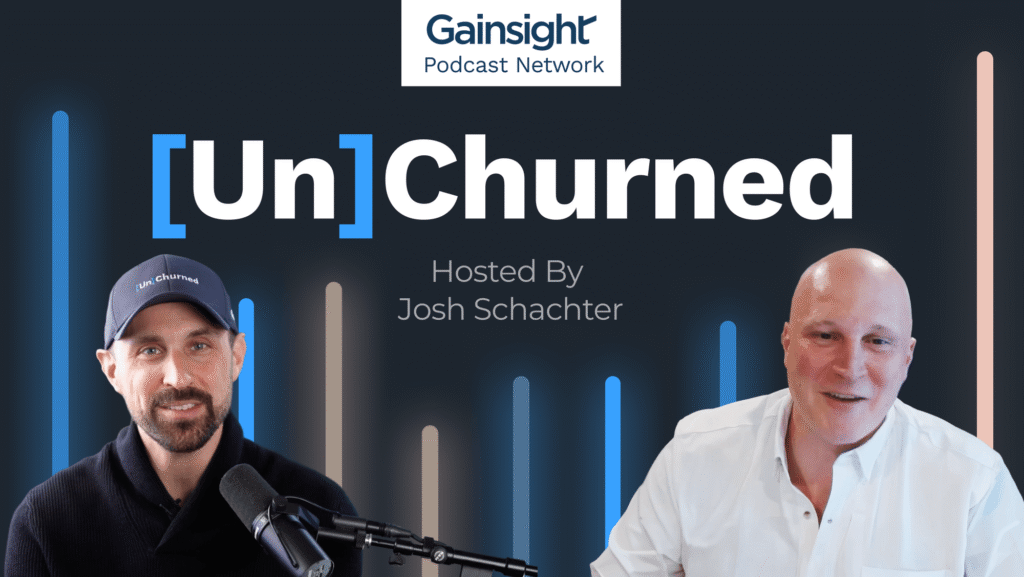
In this episode of Unchurned, Rod Cherkas, CEO of HelloCCO and author of The Chief Customer Officer Playbook for the AI Era, joins Josh Schachter to talk about what post-sale leaders need to do now. Rod shares findings from his research with nearly 200 post-sale leaders, explains why CFOs are asking for proof of AI’s impact, and gives a practical path from scattered pilots to measurable results. The conversation covers governance, change management, and the leadership habits that make AI stick, along with a real example of AI automating a painful handoff process. If you’re planning for 2027, this episode gives you a clear way to think about it.
What you’ll learn
– How to connect AI initiatives to the metrics your CFO cares about
– Why leader adoption matters more than tool rollouts, and how to model AI use for your team
– How to pick 4–5 key metrics and align AI pilots around one or two of them
– A simple way to start with a company-grounded AI assistant, without overbuilding the knowledge base
– When to buy enterprise AI tools and when (and when not) to build on top of them
– How to assign an AI champion on your team and create a practical rollout structure
– What the future of customer success roles may look like, and which skills will matter most
Timestamps
0:00 – Preview
1:10 – Introduction & Meet Rod Cherkas
3:15 – Why CFOs want measurable AI results
5:20 – Rolling out AI with governance and expectations
6:28 – Why leaders are resisting change
10:20 – Lessons from his time at Marketo for the AI era
12:38 – Frontline innovators who are ahead of the curve
13:45 – Focusing on continous L & D
15:10 – Automating the sales handoff
17:30 – Starting simple with a company-grounded AI assistant
20:10 – Measuring AI impact with key metrics
22:28 – Why change management takes longer than expected
23:37 – Delegating AI vs. leading it yourself
27:35 – Role modeling and making AI part of daily work
30:15 – Build vs. buy: what to build and what to avoid
33:35 – The future of customer success:
Featuring

Josh Schachter, Host
SVP, Strategy & Market Development @ Gainsight
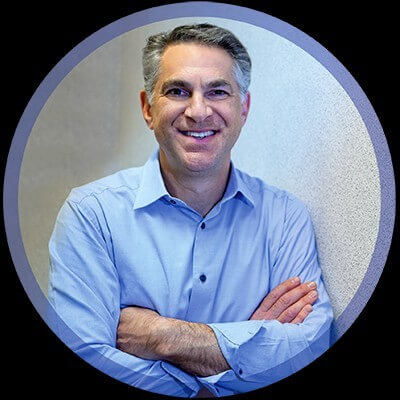
Rod Cherkas, Guest
CEO @ HelloCCO
Transcript
Rod Cherkas:
leaders have been pretty tolerant about creating enablement resources, getting some people on your teams using it, piloting and experimenting. I saw that in some primary research that I did. Now, as people are building out their plans for 2027, they really want to see the impact of those results.
I think what CFOs are starting to see is sort of the credit card charges for Anthropic and OpenAI charges on their their invoices and saying, hey, what are we getting out of that? And so it’s going to be important for leaders to think about how do you then drive not just the activity, but what are some of those initiatives you’re driving that are changing your results in the metrics your company cares about?
Josh Schachter [Host]:
You’re listening to Unchurned, brought to you by the Gainsight Podcast Network. Subscribe to our Substack at unchurned.gainsight.com, where we go deep on every episode, like how one post-sales team at Cloudbeds built over 150 AI agents That story and more at unchurned.gainsight.com. Hey everybody, welcome to this episode of Unchurned. I’m your host, Josh Schachter, Senior Vice President of Strategy and Go-to-Market Development at Gainsight, and I’m super excited to be in studio in New York City in Midtown with Rod Cherkas. Rod is a good friend from the customer success community. He is the CEO of Hello CCO. He’s a 3-time author. He’s a Gainster alumnus.
Josh Schachter [Host]:
and Marketo alumnus, amongst other things. He runs the AI Post-Sales Council. Rod, welcome back to the show because you’ve been here before.
Rod Cherkas:
Thank you so much. I am thrilled to be in New York City this week, and thank you for hosting this, this in-studio podcast.
Josh Schachter [Host]:
Isn’t it cool that we’ve, we’ve kind of like leveled up through the years? I think when I first recorded with you, I was in like the basement of my apartment with like my puppy dog pooping in the background. And now here we are, we’re, we, we’ve kind of made it, Rod.
Rod Cherkas:
It’s so nice to be out of my, my office home studio and in a real place with lights and, in person talking with you.
Josh Schachter [Host]:
Yeah. Quick shout out. One of the reasons you’re here in New York City this week, ’cause you’re from California, is for the Moment Conference. That’ll probably have already happened by the time we publish the episode, but big ups to John Gleason, who is the person who wrote your blurb on the title of your book. Your new book, about a month in, The Chief Customer Officer Playbook for the AI Era. And Rod, as I look at your book here, I’m thinking to myself, wait, déjà vu. I’ve already read this one. And then I look at the yellow font below, for the AI era.
Rod Cherkas:
Yes. Yeah. So my first book was called The Chief Customer Officer Playbook, and it was a set of strategies for people who aspired to be a post-sale executive. So it was for CCOs and CS and professional services leaders. And then over the past couple of years, with the introduction of AI solutions and tools, expectations are changing. I realized that there was a need for some type of guidance and framework for how leaders need to evolve their skills, the behaviors in their organization, maybe even restructure their teams to help make sure they’re driving AI transformation. And so we’ll talk a little bit about the evolution of that, but it’s an exciting time.
Josh Schachter [Host]:
Yeah, well, we’re going to talk a lot about the evolution of that. That’s all we’re going to talk about is the evolution of that. Okay. I’ve got my cue cards here. I want to start broad and then we’ll narrow into some things here. But what are you seeing in customer success right now as it relates to AI? That’s a terrible question because it is so broad, but I want like your blink reaction of what’s the general trend right now you’re seeing?
Rod Cherkas:
Yeah, I think one of the key trends is that there’s a focus on how is AI changing results for customer success teams and your customers. Over the past year, a lot of focus has been on just using AI and getting introduced to it and driving pilots and experiments. But what’s happening as we go into 2027 planning is that there’s a need for leaders to see results. How is it affecting retention rates? How is it helping drive expansion? Are there ways that you can actually improve productivity in quantifiable ways that affect your P&L? So that’s, that’s really one, one key thing.
Josh Schachter [Host]:
So before you go on, if I’m a leader right now and I’ve been using AI for a while at this point, I’ve been using it for like the last 2 years, right? And I’ve really started to level up again, like my usage and adoption and sophistication. Am I expected to go into annual planning this fall for next year with measurable results to give to my CFO, or is that like my next step for next year?
Rod Cherkas:
Yeah, I think that’s going to be the next step. I think leaders have been pretty tolerant about creating enablement resources, getting some people on your teams using it, piloting and experimenting. I saw that in some primary research that I did that I we talked about on your show about 9 months ago. But now as people are building out their plans for 2027, they really wanna see the impact of those results. I think what CFOs are starting to see is sort of the credit card charges for the Anthropic and OpenAI charges on their invoices and saying, hey, what are we getting out of that? And so it’s going to be important for leaders to think about how do you then drive not just the activity, but what are some of those initiatives you’re driving that are changing your results in the metrics your company cares about?
Josh Schachter [Host]:
Yeah. So measurable results. You were about to go on before I cut you off. What else is new?
Rod Cherkas:
No, I think measurable results is one. Two is how you actually roll out and drive this adoption within your teams. I think in the past it’s been A little bit chaotic. You introduce maybe one of these solutions, maybe you buy a tool from a vendor and you kind of roll it out, but there’s not really guidance around how to use it, what the expectations are. And so I think identifying how you actually drive those pilots, getting baselines in place.
Josh Schachter [Host]:
Getting a little bit away from like the shadow IT, shadow AI into more of a unified governance system.
Rod Cherkas:
Yeah, there’s a governance aspect and then there’s setting expectations for what your teams are actually doing with it to make sure that if you do have a best practice for, you know, creating a handoff, for identifying an expansion opportunity, for uncovering risk, that everybody on your team is actually using it. So it’s driving a change in your customer experience or behavior rather than just having pockets of people. So I think that behavioral change is also something that leaders need to think about this year.
Josh Schachter [Host]:
Okay. So you’re talking to all these, these leaders. You’ve got the AI Post-Sales Council. You’re seeing these trends. What are some of the challenges and/or questions, stumbling blocks that you’re hearing the most from leaders and organizations, you know, yeah, that they’re wrestling with right now?
Rod Cherkas:
Yeah, one of the most surprising ones has been the resistance to change. A lot of leaders have been doing things the same way, and those are the things that have made them successful in their career. Those are the things that have helped them be good leaders, deliver great outcomes for customers. And then this like, AI wave happens, brings in new tools, changes in expectations, and people are resistant even at a leadership level to doing it.
Josh Schachter [Host]:
I didn’t think we were going in the direction of like resistance to change, the leaders. I thought, of course, it’d be like, oh, adoption at the front lines, like the field. No, no, no. But the leaders.
Rod Cherkas:
And it’s really surprising. I think it’s both. I think everybody mentally understands that something is happening, but a lot of customer-facing leaders have their day-to-day. They’re constantly working with customers. They’re assisting in a selling cycle. They’re dealing with their firefighting and trying to just deliver the results on a monthly and quarterly basis. And they’re not taking the time to get around to, you know, having thoughtful strategies, focusing their team on key priorities, learning how to apply AI themselves and use it in their day-to-day so that they can role model the behaviors for team members. Now, a lot of the folks on their teams are using it, but not universally.
Rod Cherkas:
It tends to be in pockets where I would say in a, team of 10, naturally, maybe there’s 3 or 4 that are using it really well, couple more that are using it sort of experimentally. I want the names, right?
Josh Schachter [Host]:
I want the names of the leaders that are doing a really bad job. Let’s just call them out here on this episode.
Rod Cherkas:
No, I, I, I’m surprised at how many they are, which is one of the reasons that I wrote this book, because when I did this primary research, uh, close to a year ago now, I talked to almost 200 post-sale leaders, both in a survey and then talked to them, you know, over Zoom. And it was surprising because it didn’t match what you’d see on LinkedIn, where you got this impression that everybody was vibe coding their own, you know, software solutions and cutting off everything. And that just wasn’t the case. There are people who are doing those things, but I would say at the time there were 70 to 80% of leaders that were, sort of cautiously testing it out, didn’t have very much direction of what to do. And that’s kind of why I created the AI and Post-Sale Council and why I ended up pulling together some of the best practices from those leaders that were doing well into this book, which lays out these sort of 9 strategies for driving transformation.
Josh Schachter [Host]:
And you said you did that research work about a year and a half ago?
Rod Cherkas:
Yeah, it was last fall. Okay, so it’s like a year ago. Yeah, a little bit. Yeah,
Josh Schachter [Host]:
a little bit more than a year ago. Okay, are you still seeing the same? ‘Cause, you know, we’re in this like warp speed world right now. So are you still seeing a lot of those same patterns that you saw in the research a year ago?
Rod Cherkas:
Definitely seeing improvements in patterns because I think what happened last winter and last spring is when both Claude and OpenAI came out with some of the new solutions, particularly Claude, last spring, that those were incredibly innovative and made it a lot easier for leaders to see how to use it. So I’ve started to see a lot more enterprise versions of Claude, for example, being rolled out in many of my clients and in the organizations of companies that I talk to. And so there’s now this availability to have AI assistants to put together some skills and projects that improve the day-to-day. So there’s a lot more experimentation, but it’s still experimentation and not really delivering results yet.
Josh Schachter [Host]:
You were at Marketo for how many years?
Rod Cherkas:
For almost 5 years.
Josh Schachter [Host]:
For 5 years. It was like a little over a decade ago?
Rod Cherkas:
It started in 2013.
Josh Schachter [Host]:
Okay. Yeah. So it’s a pretty like pivotal year for that, for that marketing platform. You wrote something in the book that I thought was interesting is you compared it to like the the transition of the CMO who is data-driven, that Marketo was part of that, you know, those 10, 15 years ago. And like, what parallels do you see now with the transition of the CCO in the AI era?
Rod Cherkas:
Yeah, so what happened in 2011, 2013 was that there were a couple of products, Marketo, HubSpot, and Eloqua, that introduced what became, you know, key foundational marketing automation solutions. And what was different about this time was that marketers in the past were generally brand marketers, where the value that you would measure is like how many people might recognize your solution from aided and unaided awareness. And you’d have billboards and magazines and such. And what those solutions, Marketo included, helped do is enable you know, data-driven marketing that was happening through the internet, right? Where you could measure how many people were visiting your website, how many people were, you know, attending your events, you were nurturing them in email, maybe creating lead scoring. And so what I was really sort of thrilled to be part of looking back was helping a whole generation of both marketers and marketing leaders learn to do their job in a different way. Right? When we were at Marketo, I ran our customer enablement and education teams. We weren’t really even training people on how to use Marketo. We were training people on how to do better digital marketing, and it happened to be in Marketo.
Rod Cherkas:
And so there was a whole transition of, you know, somewhat younger people, I would say, that were learning how to do this digital marketing where their bosses, who maybe came out of brand companies, weren’t doing that. And I think we’re in a similar time now where there is this capability of AI and it will be incumbent on these leaders to recognize that there’s a change happening and think about how to do their job leveraging AI now.
Josh Schachter [Host]:
You saw some of these Kellogg’s alumni falling, falling by the wayside, but being weeded out.
Rod Cherkas:
Well, I think that there was an acknowledgment that they needed to learn how to do it differently, but we definitely saw what I call now frontline innovators, the people that were running their demand gen teams, the marketing operations folks learning to do the data-driven marketing where their bosses didn’t, you know, didn’t know how to do it naturally. Those were different metrics. And so in a lot of the work that Marketo was doing at its conferences was teaching people, both frontliners as well as executives.
Josh Schachter [Host]:
Sounds like a frontline manager. Right? The person who has like the 7 or 8 reports, they’re still close enough to the actual tactics of things.
Rod Cherkas:
Yeah. And so I think that we’re at a very similar time now where leaders need to acknowledge that AI is going to be part of the future. Everything doesn’t need to be AI, of course, but you need to be thinking about how to leverage these new capabilities in your day-to-day and in the role that you play as a leader.
Josh Schachter [Host]:
Yeah. Yeah, I mean, is there a model for a CCO to properly transition if it’s not completely obvious for them?
Rod Cherkas:
I think that this is a time where people need to recognize they should be trying to develop new skills.
Josh Schachter [Host]:
Yeah.
Rod Cherkas:
Right? Yeah. I left Gainsight about 5 years ago now to start my consulting business, and it was super scary. I wanted to be able to do it well, But I needed to learn new skills. And looking back on it, that was one of the things that made me successful, like learning how to write and how to have a point of view that I might share in a newsletter or in, you know, our LinkedIn post. Ultimately, you know, synthesizing information into communications like a book, or I’ve done a lot of public speaking. So I recognized that those were important skills and I took steps to learn those skills, right? I worked with a speaking coach to help me feel more comfortable doing public speaking. I worked with a developmental editor when I was learning how to write a book. And so I think it’s a useful time for leaders now to recognize that the skills that they should be developing to be successful in the future may require them to do things that feel hard or uncomfortable and maybe different from what made them successful in the past.
Josh Schachter [Host]:
Yeah. It’s a good encouragement that you just— for continuous learning and development. Who’s doing it really well?
Rod Cherkas:
I think somebody, David Karp at BuildTrust, has been somebody that I’ve enjoyed talking with and learning from. I remember one of my first conversations with him, maybe like 6 or 9 months ago, he had talked about how he had automated a sales handoff process, which once he described it seemed so obvious, right? You were taking transcripts of calls from the sales cycle, the information from Salesforce about what the customer had purchased and the notes, what was known publicly about the company just through the internet, through Claude, and then synthesizing this into a document.
Josh Schachter [Host]:
Yeah.
Rod Cherkas:
And it solved a problem because salespeople hate writing and summarizing things and their outcome is terrible. It’s really valuable to not just the implementation and professional services team to understand the context and what happened, And, you know, it was useful for customer success teams or other groups that were working with a customer and it could be created automatically. And it was like magic once you were doing those things. And so it was just like, it was a light bulb for me that it doesn’t need to be like massively earthshaking. You just need to think about, you know, how you can leverage these capabilities to help improve the things that you need to do, make your life easier, whether it’s internal use cases or customer-facing use cases. But I think he’s, He’s one of the people that I really look to.
Josh Schachter [Host]:
We didn’t stage that. I didn’t know you were going to bring up David Karp’s name as a response to that question. My heart fluttered when you brought his name up. David is my favorite person in the world of customer success. David went to my wedding. He flew from Dallas to London for my wedding last year. I think he was there for like 48 hours just because he wanted to be there for my event. David is like— he’s my big brother.
Josh Schachter [Host]:
He is like— I’m getting emotional talking about him right now. So I want the whole customer success world to know how amazing David Karp is as a person and how intellectual and such a strong operator he is. And you’re right, when it comes to AI, he’s been doing it for a while. He’s been ahead of the game. So thank you for bringing David up.
Rod Cherkas:
A couple of stars, like, very high on the personal side, great on the professional side.
Josh Schachter [Host]:
Oh, he’s the man. He’s the man. And he’s a Giants fan. And so far, so good. I think he’s having a decent fall with them now too. Okay, so outside of David’s use case that you described, Anything else that you’re hearing in your council week over week, like these, these use cases for applications that are coming up?
Rod Cherkas:
I think an easy place for people to start is with sort of an AI assistant that can either be designed for a leadership-level person or for your frontline, like a customer success person. I help my clients set it up. It really does not take very long. One of my little hacks is I screen scrape the company’s website, like literally just copy and paste all the content from the website into a Word document, and then that becomes the context for it. And then you can create a project that says, hey, I am the— whether it’s the leadership, the post-sale leader, or CCO assistant, and I’m here to help this leader be a thought partner in the way that they communicate, in making decisions, things like that. And you can do the same thing for your customer success team or your implementation team of having a partner that is sort of informed by your product and your terminology and what you do. And it helps you respond to your customers, helps you think through how to react. It helps you draft different things.
Rod Cherkas:
So I think that’s a real easy sort of starter use case. I think one of the dependencies is creating good knowledge base that these solutions can draw from. And there are certainly ways to overdo it where you feel like it needs to pull in everything. And one of my clients—
Josh Schachter [Host]:
Where you’re constantly updating your Markdown files and—
Rod Cherkas:
Yeah, you know, I think the question for organizations is how much extra content needs to be there and will it provide that much more marginal value, right? Is if you have a base of content Do you need like every version of every document that’s ever created, or do you need sort of a core set of things? And my, you know, I really encourage my clients to just start with a core set of basics. Yeah. And that then requires people to apply judgment, right? The concept of, well, if we have everything in there, it’s going to cover everything as well. You still need to apply judgment, read it, make sure that it makes sense, and it leverages the expertise of the individual to say, hey, is this appropriate for communicating with a customer? I am not a person who believes that AI is perfect and that you should just like copy and paste it. I think it’s the concept of like a really great intern type of person where if you give it good instructions, there’s a good chance you’re gonna get pretty decent work. You need to oversee it and it’ll get better over time.
Josh Schachter [Host]:
How would you measure something like that? I mean, in the book you have a part that talks about Abbas Haider Ali, CCO at GitHub, and or senior vice president. And, you know, I know he’s always had a platform around like measuring post-sales as a percentage of revenue, I think it is, as a cost center basically. But, and so he’s very tapped into like, you know, looking at the decrease in cost given usage of AI. Is that how you would measure something like that or are there other types of metrics?
Rod Cherkas:
Yeah, I think there are different metrics for different organizations. In the case with him, we were talking about the support organization and being part of GitHub, which is part of Microsoft. They have an enormous, base of customers. So when he was leveraging AI to improve the support experience through an interactive chat that their solution was able to have with customers, they were able to see like a really massive improvement in self-service. And because they then know how much it costs to handle one of those support tickets, they could quantify the impact on cost savings and actual staffing savings. Not everything that teams can do is as measurable as that. But I would encourage folks, like I have some work I’m doing with clients now as we’re thinking about the 2027 planning process, to think about what are the, you know, 4 or 5 most important metrics in your particular organization, and then how can you align your AI initiatives around 1 or 2 of them to actually move the needle, right? Yep. In a CS world, Maybe it’s around increasing retention rates.
Rod Cherkas:
Maybe it’s around decreasing the amount of time that CSMs are spending sort of addressing reactive situations with customers. And maybe there is an automated response that you can create that creates a draft for a CS app, not an autoresponder, but something that helps save some time. So I would think about, you know, in the book I talk about creating your strategy on a page, which really aligns to what is a particular outcome that you’re trying to deliver, and then focused on what are the particular AI initiatives, pilots, or solutions you can do that help deliver against it, rather than just telling your team like, go use AI and figure it out.
Josh Schachter [Host]:
Right. Do you think there’s still a lot of teams that are doing that?
Rod Cherkas:
There are definitely a lot of teams that are doing that.
Josh Schachter [Host]:
Really?
Rod Cherkas:
Yeah.
Josh Schachter [Host]:
I would—
Rod Cherkas:
I wish it were different.
Josh Schachter [Host]:
I know.
Rod Cherkas:
It’s like, it’s shocking that we’re still in this case, but I think the change management aspect of this is going to take a lot longer to make real impact on organizations than we might hear in some podcasts and maybe read about on LinkedIn, where we’re, we’re driving it. Things are changing, but changing the way that people do their jobs is hard. There’s like an innate You know, people fall back to what they’re good at and how they’ve done things. And there definitely are people that are using AI in innovative ways and are so much more productive. But the range of outcomes in every team is like, is shockingly broad. I wish it were different, but I wouldn’t have like written the book and now, you know, speaking about it so much if all of these leaders were driving the change so effectively.
Josh Schachter [Host]:
Yeah, it disappoints me honestly. We’re already almost to 2027, but I get it, I get it. It doesn’t, you know, I don’t, I don’t push back on it. I believe you on that, and I certainly understand it. But yeah, it’s a little disappointing.
Rod Cherkas:
Yeah, can you picture what some of those challenges and barriers to making these changes might be?
Josh Schachter [Host]:
Can I picture? Oh, I ask the questions here a lot. All right, good act, good act. ‘Cause I can’t actually, I don’t have an original response of my own ever. No, no, so what would be the challenges and barriers to people really kind of focusing in on the change management and becoming more strategic with AI? Yeah. I mean, I think that they, I think you alluded to it before. I think they say like, I don’t have time in my day. And they’re just extinguishing fires and they’re not creating space to be strategic in their thinking and learning about AI. I don’t think it’s coming from the bottoms up.
Josh Schachter [Host]:
I think individuals like ICs really want to use this stuff and learn about it. I don’t know, you tell me.
Rod Cherkas:
No, I think the ICs for the most part want to use it. I think there are some ICs that are maybe further along in their career, where the adoption is not as natural. I think people that are relatively young in their careers know that their careers are going to be largely built around using AI in some way, however it evolves, and they might as well learn it and they’ve got the time. I think there’s also at a leadership level a little bit of a bias toward, hey, who in our organization is responsible for doing it? A lot of leaders are often used to delegating things. They’re like, oh, I have a manager who runs that team, or I have a customer operations team that does these things. And they’re looking for someone to be their AI person on their team.
Josh Schachter [Host]:
So you’re saying they’re lazy, Rod?
Rod Cherkas:
No, I think they’re used to delegating. And I think there’s a balance of them trying some things out, which is why I do a lot of the hands-on webinars, right? I think that that’s been very effective. I had 200 people register for a webinar I did last week. You know, a couple months ago, I was having like 600 people register for very hands-on, how do you do things? Because people are looking for those best practices of, How do you apply it in their day-to-day? Now, when they’re looking for someone in their team, they don’t necessarily have somebody that has this expertise about how do you manage sort of like a registry of all the things that are happening in the organization? How do you measure results? How do you roll it out in a team? This is, this is like complicated. It’s not like you can just set it up. And I have had a, again, a shocking number of folks when they roll out Claude, The enablement is, oh, watch the Claude 101, and that’s it. And I don’t know if you’ve watched Claude 101, but it starts with like, what is the basics of Claude, how to create a project, how to create a skill.
Josh Schachter [Host]:
Hey, by the way, we love Claude 101 because our product Skilljar is what is the platform that’s the engine of Claude 101. So don’t be knocking Claude 101, Rob.
Rod Cherkas:
I love the concept of it, but it goes so fast and it doesn’t help apply it in their day-to-day. So there has to be a translation from What is the capability of AI to how does it help me in my day-to-day? And that translation often requires somebody to actually think about it. Post-sale teams, for better or worse, don’t always have access to enablement resources to help think about rolling out and training and monitoring on new solutions. And this is where I think leaders have an opportunity now to either put it into their plan reassign somebody within their organization to be their AI champion. Yeah. And there are some best practices that I’ve seen, right? Maybe pulling somebody partly out of their customer success operations or their customer operations team and making that a part of their job. And it could even be somebody from, you know, one of their frontline innovators, you know, a frontline person, a CSM, an implementation advisor who’s picking it up, and you say, hey, I’d like you to help drive it. Maybe they have a Friday afternoon AI discussion where people are sharing use cases.
Rod Cherkas:
You give them a couple of minutes at a staff meeting or an all-hands meeting to show some of the cool things that they’re doing. And then it gives other people this opportunity to watch.
Josh Schachter [Host]:
I want to be sympathetically tough on some of these leaders. If delegation is one of the reasons that you’re citing for leaders not going through this transformation themselves, They have to. You can’t delegate. You can’t— you talk about like David or Abbas. These guys aren’t delegating. They’re rolling up the sleeves. They’re doing it themselves. And they’re not 30-year-old spring chickens, right? But they’re learning to do these things.
Josh Schachter [Host]:
I don’t know if I want to call it laziness because I know CCOs have so much going on, and I highly respect the hustle. And it’s a grinding job. They’re not lazy. But to not be like rolling up the sleeves yourself and learning about the technology and applying it and being strategic about it and to try to delegate it to your ops person or, you know, wait for a headcount to come in for, as like a, yeah, an engineer of sorts. I don’t know. I don’t think it’s the right strategy.
Rod Cherkas:
Yeah, I think the more that those leaders are actually using it and demonstrating that this is important, it rolls out in the organization. By far, a best practice is if the leader is getting hands-on and using it, and they’re in staff meetings and one-on-ones, they’re saying, hey, how are you using AI? Let me show you something. It role models that this is important to the organization. When the leader isn’t engaged and not picking it up, it’s— you’re hearing that it’s not important. I see this not just at customer-facing leaders. I see the same thing with my peers in marketing and sales organizations where the sales leaders or the marketing leaders aren’t driving it. all the way up to the CEOs, right? I work with companies that are trying to drive AI transformation at a company level. And if the CEO doesn’t, like, doesn’t get it and doesn’t feel it and isn’t using it, makes it a lot harder for their leaders.
Josh Schachter [Host]:
It needs to be a source of energy for them. Yeah. I know it’s not natural for some folks, right? Like coding was never natural for me, but it needs to like just force it to be a center of energy for you.
Rod Cherkas:
Yeah, it is an important thing to learn. And it doesn’t mean that everybody needs to, you know, create a new software solution and clod code, but they should be thinking about, you know, my example is if you’ve got 2 monitors, many of us have 2 monitors at home or in the office, like one of them should always have up your AI solution, whatever it is, and then be using it during the day.
Josh Schachter [Host]:
Yeah.
Rod Cherkas:
Just to challenge your thinking. Back and forth. Whatever it is, whether it’s just as an assistant, whether you have certain applications you’re using, Just practice it and, you know, think about how you as leaders have made new things stick over time and leverage those best practices.
Josh Schachter [Host]:
Yeah. Build versus buy solutions. Who’s buying? Who’s building? Who’s buying and building on top? What are you seeing out there?
Rod Cherkas:
Right. So I think one of the first things that companies are buying is some type of like enterprise-level AI solution. Like I hardly see companies now that don’t have some type of like OpenAI Claude that’s available to most teams. Although as the companies get bigger, many of the frontline teams don’t necessarily have that. So I’m working with a company now that’s just rolling out Claude for the first time, and I have another client that rolled it out 2 months ago. So it’s still early days in having many companies do that, but I think that’s one of the first buy decisions. Once you have some of those decisions, you can build some capabilities in. The build, there’s sort of, I don’t know, I would kind of describe it as a framework of it gives you an opportunity to pilot some certain types of capabilities once you can have a solution like Claude or OpenAI that’s connected to some of your other data sources.
Rod Cherkas:
That is just a huge light bulb moment when somebody can go from thinking of having a chat like we’ve— you might do in an instant message on your phone, right? Short question, short answer, short question, acronym answer, like you might have with, you know, with a family member to— you can give it a set of instructions that’s like pretty clear and get a really good answer back and then kind of debate it back and forth. I think when we talk about, you know, is it a substitute for you know, maybe SaaS applications or other software applications, it’s a little bit more challenging to say, hey, are we ready to not have that as a solution yet? I think many of them can be like, there are features of things. I don’t know that there are like big applications that was worth building. And my general recommendation is like not to go and try and like rebuild a full solution. Creating software is not just like, hey, can I vibe code it and make it work? Is how do you maintain it? How do you address, you know, issues that come up? Is somebody building the next set of features and capabilities? So I’m like really reluctant to say, oh, you know, we can recreate our calendar solution.
Josh Schachter [Host]:
Say it, say it, say it, say it, Rod. Say Rod Serkis is not recommending that you try to rebuild Gainsight’s CS platform.
Rod Cherkas:
I’m absolutely not recommending. That people go do that.
Josh Schachter [Host]:
But hey, if you want to do it, you can try it.
Rod Cherkas:
You can try it. But, you know, there has been a skill around software development and yes, it is getting easier. But when people get around licensing and security issues and data access and, you know, who has access to certain levels of information and who’s going to maintain it, what happens when somebody’s data isn’t accurate? Like, that is a real process. Right? And so I admire people that maybe think they can do it, but I would imagine a week or two in when you change your job and there’s no one else at the company that knows what you did when you built whatever capability it is, that we’re gonna have all of this chaos.
Josh Schachter [Host]:
Yeah, I think fucked is the word you’re looking for. Yeah. So last question for you. I wanna think about the future of CS, where we are now, where we’re going. And let’s say the future is like 18 months. I don’t think any of us can look beyond that horizon. with how quickly things are moving. What is the future of customer success as a function and also as, you know, CS managers and the role of CS? Is it growing? Will it grow? Will it shrink? Will the role of CS become less important, more important? What do you think?
Rod Cherkas:
I am still a strong believer from like the first days that I started working in Intuit that really understanding your customer and meeting their needs is a differentiator and creates a moat around your products and services. So I am a very strong believer that the role of teams that are delivering great experiences for your customers is the most important thing, right? And I hope that sales leaders think that what they do is the most important stuff and marketers too. But I really do think that the future of our customer-facing functions is thriving. How organizations deliver against it will change, right? Some of the manual work may hopefully be automated in a good way, right? Nobody likes gathering information and creating a sales handoff. Nobody likes looking through knowledge articles trying to find the thing that you’re looking for. But what won’t change is the value of like the human interaction between a customer and, you know, somebody at the company that can give them best practices and help them drive the results that they need. So I think it will become a little bit more human where the CSMs in particular, or people in roles that maybe have those type of responsibilities. The interaction with customers will be more important.
Rod Cherkas:
Maybe we get back to, you know, for particular products where site visits become increasingly important, where you’re building the personal relationship. But who wants to, you know, deal with support issues, right? Who wants to help do the training again for the 30th time of you know, explaining it to someone new. So I think it will— I think it’s going to be super important. The roles and expectations will change, and I think that this is important for leaders to understand. What are the skills that will make them successful? And this is what, you know, I wrote about in the book, right? The Chief Customer Officer Playbook that I wrote 4 years ago. It’s a set of skills, and looking back, I think those are still the same skills, right? Understanding your customer needs, knowing your financials really well, Driving change, having clear strategy that you communicate. Like, those are the foundations of what leadership is. And now you just need to integrate, you know, what does AI enable you to do? What is a superpower that enables you to leverage? Right.
Rod Cherkas:
Everybody in an organization can potentially now quickly be performing at the level of the top performer because they have access to the resources that would make them available. So I don’t think it’s going away. It’s possible that the naming convention changes, right? Sometimes, you know, and this has happened to me in my own career where you get let go, you’re delivering really well, but not changing quickly enough. And so somebody new comes in to do the job and you have to go find another job. I think that that’s where people are at. And it’s possible that the naming convention of customer success or customer success management Maybe have to change a little bit. Some organizations, it’s still the same fundamental work of interacting with customers, driving retention, driving expansion, but some groups may change it. I’ve heard teams say it’s like customer value consulting.
Rod Cherkas:
I don’t know that there’s— Value architect, outcomes architect, coaching, whatever it is. But I think the core, you know, results and the experiences that the group delivers is fundamentally critical. And it’s not, yeah, I don’t know that I have a strong opinion that if you called it account manager that it would fundamentally change it. But there might be some momentum around, hey, we need to restructure it in some way to help get these outcomes. And so that people feel like this is a new job and you need to think about it differently because sometimes the history brings a little bit of a baggage.
Josh Schachter [Host]:
Yeah. The Chief Customer Officer Playbook for the AI Era. Rod Cherkas, 3-time author. Thank you so much. Thank you so much for being on the program.
Rod Cherkas:
It’s great talking with you, Josh. Thanks for having me in here.
Josh Schachter [Host]:
Thank you.
[Un]Churned is the no. 1 podcast for customer retention. Hosted by Josh Schachter, each episode dives into post-sales strategy and how to lead in the agentic era.
Browse Series
Subscribe on