In this special episode of [Un]Churned, host Josh Schachter sits down with Gainsight’s outgoing CEO Nick Mehta and his successor, Chuck Ganapathi, to mark a pivotal leadership transition. Nick reflects on his 13-year journey building Gainsight into a category-defining company, the lessons he’s learned navigating growth, and why now is the right time to hand over the reins. Chuck shares his gratitude for the opportunity, the deep trust he and Nick have built over decades of connection, and his vision for the company’s next chapter—one shaped by AI, customer success innovation, and a human-first culture.

144. Gainsight’s New CEO ft. Nick Mehta & Chuck Ganapathi
Show Notes
In this special episode of [Un]Churned, host Josh Schachter sits down with Gainsight’s outgoing CEO Nick Mehta and his successor, Chuck Ganapathi, to mark a pivotal leadership transition. Nick reflects on his 13-year journey building Gainsight into a category-defining company, the lessons he’s learned navigating growth, and why now is the right time to hand over the reins. Chuck shares his gratitude for the opportunity, the deep trust he and Nick have built over decades of connection, and his vision for the company’s next chapter—one shaped by AI, customer success innovation, and a human-first culture.
To access the bonus content, click here!
Key Takeaways
- Leadership transitions are growth moments – Nick emphasized that great companies become even greater through thoughtful transitions, and he views this handoff as a natural step in Gainsight’s evolution.
- AI is reshaping customer success – Chuck shared his conviction that AI agents will unlock scale, allowing even the smallest customers to be served with the same attention as the largest, without replacing the human-first ethos.
- Retention moves from reactive to proactive – The next era of customer success will be defined by anticipating churn risks early and leveraging agentic approaches to drive outcomes before problems surface.
Timestamps
- 0:00 – Welcome & The Big Announcement
- 2:25 – Why Nick Is Stepping Down
- 3:54 – Lessons from Private Equity & Building a Lasting Company
- 6:23 – Chuck on becoming the NEW CEO
- 7:10 – How Nick & Chuck First Met (Stanford Days & Startup Stories)
- 16:25 – Why Chuck Was the Obvious Choice for CEO
- 21:12 – CEO Transitions as Turning Points
- 25:40 – Human-First Leadership & Gainsight’s Mission
- 28:20 – What’s Next for Customer Success in the Age of AI
- 34:12 – Will AI Replace CSMs? (Nick & Chuck’s Take)
- 36:42 – Looking Ahead: The Next Chapter of Gainsight
- 38:52 – Fun Facts About Chuck (Heartthrob, Tennis & Shopping!)
- 44:34 – Final Words: Legendary & Transformational Futures
Featuring

Josh Schachter, Host
SVP, Strategy & Market Development @ Gainsight
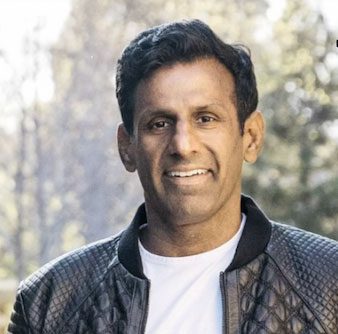
Nick Mehta, Guest
Board Member, Gainsight
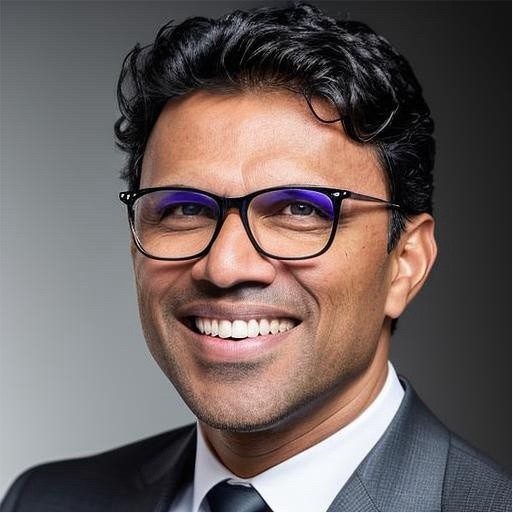
Chuck Ganapathi, Guest
CEO, Gainsight
Transcript
[Josh Schachter, Host]
Welcome back everybody to Unchurned. I’m your host, Josh Schachter. And today is one of those rare episodes where we get to capture a true milestone, not just for a company, but for the two people sitting here with me.
If you’ve read the title of this episode, or you’ve seen the news on LinkedIn, you already know.
Nick Mehta is passing the torch to Chuck Canapati as the next CEO of Gainsight. Transitions like this are about so much more than a press release.
They’re about leadership, trust, legacy. And today we get to hear about this one from both sides. The person who’s led the company through defining moments, and the person now stepping up to carry that vision forward.
I feel genuinely honored to have them both here together right at this moment. Nick, rather than my going on, would you do the honors and tell us in your own words, what are you announcing today? Wait, we’re announcing something, Josh?
[Nick Mehta]
I don’t know.
[Josh Schachter, Host]
Why are we here?
[Nick Mehta]
I have no idea. Wait, I, I, I, okay, this is not, this is not the GPT-5 launch. No.
Oh, okay. Okay. All right.
We’ll do something different. All right. So, um, we are announcing in all seriousness, um, some big news for Gainsight and for me personally and for Chuck as well, I think, uh, which is after about almost 13 years, uh, being really privileged to lead Gainsight, I’m passing the baton on to my good friend and our president for the last couple of years, Chuck Ganapathy.
Congratulations, Chuck.
[Josh Schachter, Host]
Thank you. Um, so you’re the former CEO of Gainsight.
[Nick Mehta]
I guess so. As of right now.
[Josh Schachter, Host]
Yeah. It’s been weird.
[Nick Mehta]
Former. Emeritus.
[Josh Schachter, Host]
Emeritus. CEO Emeritus. CEO Emeritus.
I love it.
[Nick Mehta]
Yeah.
[Josh Schachter, Host]
Like, what are the emotions that you’re feeling right now as you say that? You know, people always use those words, that word bittersweet.
[Nick Mehta]
It’s weird. It’s just the sweet and not the bitter. Um, the sweet is like gratitude for just being part of this incredible journey.
I mean, you’ve been there, Josh, and you’ve seen the last couple of years of it, this amazing community. Like, it’s just incredible from where it was to now and just being able to witness it. Um, pride in the team that like we built, the culture, the products, obviously all the customers ascending and then excitement for what’s going to happen in the future.
Because, you know, great companies, uh, become even greater with transitions. I know Gainsight is going to be.
[Josh Schachter, Host]
Everybody’s going to ask, why now, Nick? You know, what’s, what’s, what’s up right now. But I don’t want to ask you why now.
We will ask you why now, but I want to know why not sooner. You built the company. How many people were at the company when you first joined Gainsight?
[Nick Mehta]
I mean, just a small, single digits. Yeah.
[Josh Schachter, Host]
Single digits. Right. Nearly a thousand now.
Revenues, you know, in the multiples upon multiples. You sold the company to Vista, to the preeminent private equity company out there. So why not sooner?
I mean, you could have wrote off in the sunset a couple of years ago.
[Nick Mehta]
Yeah. It’s funny. Cause like I was at this, uh, after we did the deal with Vista and, you know, we were very fortunate to partner with them and it was a great kind of exit from a financial perspective for our investors, our employees and all that.
I was at a VC dinner and you’ve been to a lot of these over the years, right? And I’d been to so many VC dinners where I’m like the entrepreneur and there’s some like experienced CEO and you’re trying to learn from that experienced CEO. And I didn’t even realize it, but I guess I was like the experienced CEO around this table.
And there was this entrepreneur who shall remain nameless, but he’s very, very nice and very smart. And he was sitting next to me to my right and, um, you know, we’re, we’re having the dinner and having the wine and all that. And he’s like, you just sold Gainsight to Vista.
Why aren’t you doing something new right now? And I was like, look, I, a few things. Number one, I was really excited to see this next chapter of the, of the company.
Like I learned so much in the last, it’s almost four and a half years working with Vista. I’ve learned so much. I feel like Gainsight’s come so far.
[Josh Schachter, Host]
What, what, what, like what’s the most salient, acute thing that you think you’ve learned in the past post private equity?
[Nick Mehta]
I learned what EBITDA means. No, I’m just kidding. I sort of knew that before, but I knew how important, no, I, I learned actually, honestly from just the incredible network of other CEOs who run companies of this size, you know, we’re well past 200 million in revenue.
Right. And learning from these companies of like, what does it mean to build a business that’s built to last? Right.
And, you know, people joke about EBITDA nonprofit, but the truth is like great companies are ones that can actually survive and keep going. Right. And I remember in the early days of Gainsight, I would wear my employee count as a badge of honor, like how many employees we had at Gainsight.
And later on, I’m like, look, it’s really cool to be efficient so you can deliver more value to your customers and, you know, and better innovation and things like that. And so I learned like just the power of being a well-run business. That was like one thing I learned.
But going back to your question, why, like, why didn’t I do it then? Well, I mean, number one, I wanted to learn for sure. Number two, I thought there’s a huge, huge new chapter in Gainsight.
Number three, I didn’t want to go do something new until I felt really good about the team and the situation of the business and all that. And then as, as some folks know, I’ve dealt with some stuff outside of work, some personal stuff that’s been hard the last couple of years. So there’s this kind of, okay, I really would like to do something, just get a break.
You know, I’m just being vulnerable. All of us need it. At Gainsight, we talk about human first business and like, I’m a human being first, as much as I might pretend to be an AGI, I’m actually human.
And so, but I didn’t want to go, you know, leave the ship without a great new captain and also a great new crew, you know, and as we’ll talk about, we’re really fortunate at Gainsight to have just incredible people up and down, long timers, but also new folks much like yourself, Josh, welcome to Gainsight.
[Josh Schachter, Host]
Thank you. Thank you. Yeah.
It’s been an amazing ride in just these quick couple of first weeks. And thank you, by the way, for sharing that vulnerability, for being so human, because you’ve been an ombudsman for the entire community and people look up to the way that you operate and you, you know, your LinkedIn posts and what you share there. So, you know, as somebody who has looked up to you outside of Gainsight, within the community, I think it’s wonderful that you share, you know, so publicly everything that you do.
[Nick Mehta]
And I love that you said I’m an ombudsman. I was voted most likely to be an ombudsman when I was in high school. So that’s actually like, I’ve achieved my life dream.
I appreciate it.
[Josh Schachter, Host]
Chuck, what was your superlative in high school? Not ombudsman.
[Nick Mehta]
We’ll get to that.
[Josh Schachter, Host]
We’ll get to that. Okay, cool. So, so Chuck, now Nick has shared his emotions very openly as he does in this moment.
This is your moment now. In this moment, what does it mean to you to be the CEO of Gainsight?
[Chuck Ganapathi]
I mean, this is an amazing feeling. This is an incredible company that Nick and the Gainsight team has built. And I’m so thankful and so grateful for the opportunity, most of all, to take on the reins from Nick and build on what he has built over the years.
And I look at what the company has done with the community. You know, we certainly have our set of challenges as an industry in SaaS and in customer success, but I think the future is really bright and it’s a perfect time to really chart the course to the future. I’m super excited to be, to be taking on this role.
[Josh Schachter, Host]
Yeah. Oh, I love that. Let’s reel it back for a second here.
I want to learn about how you guys met, because I know you’ve known each other for a while. So tell me, what’s the origin story of Nick and Chuck?
[Nick Mehta]
It goes back to a previous century, if you can believe it, a little bit does look really old. We are.
[Josh Schachter, Host]
We are.
[Nick Mehta]
We’re just getting started, Chuck, come on. 1998. Go back to 1998.
What are we, what was happening in the world in 98? What are we?
[Josh Schachter, Host]
We were prepping for Y2K.
[Nick Mehta]
We’re preparing for Y2K. What are we, what are we listening to back then? Third Eye Blind, probably.
Still pretty good. Right?
[Josh Schachter, Host]
Yeah.
[Nick Mehta]
It was a good time.
[Josh Schachter, Host]
Held was Taylor Swift in 1998.
[Nick Mehta]
Well, she was born in 1989, as you know, December 13th, 1989, as everyone knows. So she was nine years old. Little Taylor was nine years old.
Dream in her eye of writing Tim McGraw and start becoming a sensation. And I was, I just graduated college. I was very fortunate.
A classmate of mine had an idea for a startup. And I was a co-founder of this little company that we had in college. And it was an e-commerce company selling golf clubs over the web.
And we graduated from college and basically moved to California, lived in my co-founder’s parents’ house in Saratoga, which annoyed them to no end. The parents, they were like, get out of here as quickly as possible.
[Josh Schachter, Host]
But that’s a rite of passage for a successful startup.
[Nick Mehta]
It was so cliche. We worked on the garage and then we raised money from some awesome VCs like Sequoia Capital and others. Really lucky.
Very much like sign of the dot-com time. Some folks, a lot of people probably watching don’t know what the dot-com was, but they’ve heard the term. It was like this crazy bubble.
[Chuck Ganapathi]
And it was all… Did you guys drop out of college though?
[Nick Mehta]
We did not. See, that’s why we didn’t.
[Chuck Ganapathi]
Good for you.
[Nick Mehta]
The company wasn’t as successful.
[Chuck Ganapathi]
If you had dropped out of college, it’d be a billion dollar company.
[Nick Mehta]
It’s so sad. And so we basically, we come out to California and we raise venture capital. And we were actually for a hot minute, this kind of hot company with commercials and billboards and all that.
You just see all this venture capital flowing everywhere. And speaking of flowing everywhere, we needed people. And of course, back then it was like, we got to go hire the people from the Sanfords and other schools.
[Josh Schachter, Host]
And this is pre-PE era for you. So this is when…
[Nick Mehta]
I didn’t know what PE was then.
[Josh Schachter, Host]
You didn’t know, but this was not EBITDA that you were tracking so closely.
[Nick Mehta]
You wanted people, you wanted growth. I think we had financial statements. I don’t think any of them were right.
I think we actually didn’t know how to calculate profit.
[Chuck Ganapathi]
Yeah, nothing. Yeah. Everything we learned.
I mean, I was in business school at that time. And I think we’ll get to that part of the story. And everything we were learning in business school, you look outside in the valley.
This is 97 to 99. It was when I was in business school, none of that made any sense because what we were being taught in business school was not what was being practiced. It’s kind of like right now, people are learning computer science in college and what’s happening with AI is going to make most of that obsolete.
[Josh Schachter, Host]
Well, people were gun-slinging billboards about online commerce for golf clubs.
[Nick Mehta]
We had billboards on 101, if you were driving up and down the highway, then you would have seen them. I was running marketing and my most genius idea was we had a putter, you know, we made golf clubs. We had a putter.
And I was like, what if we just sold the putter for a dollar? Now, the putter costs like $50. So that turns out to be a really good way to burn a lot of money.
And we sold a lot of putters, but we needed a lot of people at this little startup, Chipshot. And so we…
[Chuck Ganapathi]
Chipshot was, just so you know, Chipshot was on Time Magazine.
[Nick Mehta]
Business Week.
[Chuck Ganapathi]
Business Week. There you go. Yeah, exactly.
[Nick Mehta]
It was on Business Week and all kinds of other things.
[Chuck Ganapathi]
It was a hot startup.
[Nick Mehta]
And a little…
[Chuck Ganapathi]
You’ve been very humble. It was a hot startup back then.
[Nick Mehta]
I’m trying to erase it from history because of that. So then we were recruiting and we went to Stanford because we were in the Bay Area and we did a bunch of different things. We went to Stanford undergrad.
Actually, Chuck didn’t go to this, but to recruit Stanford undergrads, we at some point had the idea, what if we just ran out of bar and gave out free alcohol to all Stanford students? And it turns out like that attracts like a thousand people in line.
[Chuck Ganapathi]
Blue chalk, yeah.
[Nick Mehta]
Yeah, exactly. Blue chalk. You got it.
But the MBA students were a little more classy, so we went to see them, I think in a basement if I’m not…
[Chuck Ganapathi]
Basement of the business school.
[Nick Mehta]
Yeah. Yeah. And so I did meet Chuck and I did try to recruit him, but I don’t know.
What did you say?
[Chuck Ganapathi]
Yeah. So it was this career fair at the business school. I think I was in second year of business school in late 98, early 99.
And then I go to this one table, a bunch of what looks like college kids recruiting for their company, Chipshot.com. And I distinctly remember meeting Nick there. Now, many, many years later, I would have recognized him at that time.
But back then I was like, what are these guys doing? And he pitched us. He pitched all the students that were lining up at their table.
It was pretty interesting. Everybody wanted to work at a .com. So that’s when I met Nick and he tried to recruit me.
[Josh Schachter, Host]
I have this scene in my mind where you’ve got a table, you’ve got John Doerr on one side recruiting for VC, you’ve got Larry and Sergey, and then you’ve got Nick for Chipshot in the middle.
[Chuck Ganapathi]
Yeah, exactly. Hey Chuck, come work for me. We’re selling golf clubs.
It is interesting though, there was another career fair in the engineering school, I was also part of the engineering school, where Sergey was actually at a table. Wow. You should have taken that one.
Actually at a table with, you know, remember the old Google logo? The one that was like crayon drawn? Yeah.
It was one of those kinds of sheets. Oh my God. And it was Sergey.
[Nick Mehta]
I should have gone to that table.
[Chuck Ganapathi]
I was like, who is this weird guy?
[Nick Mehta]
Wow.
[Chuck Ganapathi]
What is this search engine? Yahoo was king back then too, right? Yeah.
So anyway.
[Nick Mehta]
I have not heard. That’s an awesome story. I love that.
It’s amazing.
[Chuck Ganapathi]
He used to personally recruit at the engineering school.
[Nick Mehta]
It’s amazing. And that’s just what happens. Like, you know, our paths just kept crossing, you know, that was back then.
And then like, you know, we both went off, Chuck did amazing things, you know, Siebel, which is a pioneer in CRM, obviously Salesforce, we’ll talk more about, right? And then I was running a startup and we needed a partner at Salesforce. And there’s a guy named Tom McCleary at Salesforce who, shout out to Tom, reconnected Chuck and I, because we wanted to partner with Chuck was running a Chatter, which is like Slack before Slack.
Right. Like that was a pioneering enterprise social network.
[Chuck Ganapathi]
Yeah. Tom introduced us and Nick was CEO of a company called Live Office. And he had this great idea that what they were doing for email discoverability also will apply to messaging because messaging was the future of email.
And I was running the messaging product at Salesforce, which is called Chatter. So we met through Tom, who was our partnerships leader. And when I met him, I was like, I have seen this guy somewhere.
He reminds me of someone I’ve met. So I was like, Hey Nick, did you ever recruit at Stanford Business School? And he was like, yes.
I was like, what was the name of that golf company? Was it Upshot? He was like, no, no, that’s the CRM company, Chipshot.
And we kind of connected, I don’t know, like 2009, it was like 10 years after the original meeting that we had, you know, 1998.
[Nick Mehta]
It’s crazy. And then our paths diverged again, right? And then they converged again because both of us were entrepreneurs at heart and I was going to go figure out my next thing and sold my last company.
And I was going to go do an EIR, entrepreneur in residence, which is some made up job in the valley where you basically spend time with VCs. And at this firm called Excel Venture Partners was a great, great firm. And Chuck had just done that same thing right before me.
[Chuck Ganapathi]
Right before you.
[Nick Mehta]
Yeah. Yeah. So, so you, I wanted some advice from you and we met up again.
[Chuck Ganapathi]
That’s right. And then we, we talked about customer success and he was going to go off and build Gainsight. I was running my startup called Tactile AI.
And in fact, I think I went back and looked at some of our email archives. You introduced me to so many people. Wait, did he recruit you?
I know.
[Josh Schachter, Host]
Were you trying to recruit him at that time?
[Chuck Ganapathi]
No. Oh, he was doing his own startup. No.
[Nick Mehta]
So I did.
[Chuck Ganapathi]
So I left Salesforce and then I went to Excel as an EIR and I started my company. When I started my company is when he was at Excel. So he replaced me at Excel as an EIR and then he started Gainsight.
I was already doing my startup and he said, Hey, you know, you’re obviously an ex-Salesforce guy. You’re well connected into the Salesforce ecosystem and, and, you know, customer success actually was born at Salesforce, right? So he was like, Hey, and I think I was probably your best connection into Salesforce.
[Nick Mehta]
You introduced me to so many people. I mean, you were just reminding me.
[Chuck Ganapathi]
That’s right.
[Nick Mehta]
Narachan, all these people, right?
[Chuck Ganapathi]
Maria. Maria Narachan. I mean, it’s amazing.
[Nick Mehta]
So I went back. All these early connections that mattered so much for Gainsight, like started with Chuck.
[Chuck Ganapathi]
Yeah. So I introduced him to a bunch of folks. It’s incredible.
And so, yeah, so we, we, you know, we kind of, we, we were both on the entrepreneurial journey together and a lot of times we would help each other out. I’d say if you went back and counted, Nick helped me a lot more than I helped him. But certainly it was, we were on a, on the shared journey together as entrepreneurs trying to figure out how, how to go from being, you know, I’d never worked at a startup like, you know, unlike Nick who started a company before I’d never worked at a startup.
And so this was my first startup experience. So I looked to Nick for a lot of advice. I still remember some of these old emails were asking about, Hey, what does a bank I should pick, you know?
And he was very, very generous with his time. And he introduced me to so many VCs as I was fundraising. Anytime I had questions about how to position a certain, you know, position with a certain VC, I’d call him and, you know, we’d meet up and he’d give me a lot of advice.
[Josh Schachter, Host]
And you had founded, you were running Tact AI. That’s right. Your first story in the AI world.
[Nick Mehta]
Exactly. And he, by the way, I just connected the dots. You’re my successor at Gainsight.
I was your successor at Excel.
[Josh Schachter, Host]
So there you go. The circle is complete. It’s full circle.
It’s like a freaky Friday, isn’t it?
[Nick Mehta]
It is. Freaky Friday is coming out again. Yeah.
So then completing the story, then, you know, a couple of years, two years ago, almost exactly, I was looking for, actually, initially it was just a chief product officer. We had incredible product leadership, but had stepped down. So we need something new.
And I did a search. And then the search firm, who, I mean, I got to thank them so much. They were like, yeah, actually, this guy is not a chief product officer, much more than that.
But I think you know him. Chuck got up with me. I was like, Oh my God, Chuck?
Would he talk to us? I literally, that was my reaction. I was like, Chuck would talk to us?
And then he’s like, yeah, I think he just sold his company, because you just said sold that. Yeah. And I was like, wow.
And then we went for endless walks around my neighborhood, right?
[Chuck Ganapathi]
That’s right.
[Nick Mehta]
I don’t know how many walks we went on. It was a lot of walking.
[Chuck Ganapathi]
Many miles. And I always have trouble keeping up with those of you, you know, I’m sure you’ve done this with him. Mixed one-on-ones are always on walks and he’s walking it.
I can’t keep up. I can barely talk. And he’s like.
[Josh Schachter, Host]
Yeah. I don’t believe that. I know you were an athlete in high school.
[Chuck Ganapathi]
We’ll get there later. We’ll get that.
[Josh Schachter, Host]
So you were. So, okay. So what told you at the time that, okay, I mean, Chuck is the guy.
[Nick Mehta]
It was kind of interesting because it was, I mean, it was just like a no-brainer really quickly. It was kind of like more like, how would we, how could we possibly, how can we get him? Let’s get him.
And it was a mix of different things. It was like, okay, I started with a chief product officer role, but actually I always wanted a true business partner and also wanted a successor because I’d been, at that point I’d been doing it about 11 years. And I was like, I knew I’d eventually want somebody to be able to take over.
But just somebody to partner with, like another founder, another entrepreneur, you know? And it was like, wow, this guy’s so much more than a chief product officer. Of course he can also run engineering, but also marketing, corporate development and services and support and all these different things.
And, but it was more just like, I could actually have a business partner. And what really like opened my eyes, I would say the one specific, there’s two things actually. One was, you know, we have candidates present at the end and Chuck had an awesome presentation or is this like really, he really understood the space.
He’d done a lot of research and like put the time in. It’s very incredibly smart. But the other thing which I really appreciated was when we went to, I think it was dinner at Reposado in Palo Alto.
And I asked you, what are people going to say about you? Tell me what your promoter is going to say about you, but also what are your detractors going to say? And Chuck was extremely self-aware and he’s like, well, here’s my detractors and here’s what they’re going to say.
[Chuck Ganapathi]
I think my detractor list was longer than my promoter list.
[Nick Mehta]
You gave me a long list. I prefer not to gloss over it. What were you, what did you say?
Well, you said it was that you were sometimes too hardcore, like something like that. And it’s funny because I called all those people and they were all huge fans of Chuck. And they were like, yeah, he was hardcore, but he like, he figured out how to balance it over time.
And but there was like that self-awareness to be like, yeah, this is who I am. And I asked that question to every candidate. Not everyone is open about like what their detractors would say.
[Chuck Ganapathi]
Yeah. And for me, it was, I had just sold Tact in end of 2023 and it was a long run. So I feel you, I know what you’re going through because I went through that for a decade.
And 2023, November, we sold Tact and I decided not to join the company that acquired us. And I felt like I needed a break. All the recruiters that were calling me at that time were pitching me CEO jobs of, you know, middle-aged software companies.
And I just said, you know what? I can’t do this right now. Like for the sake of my own mental health, I need to take a break because the CEO job is a, you know, it’s a lonely job.
It’s a hard job. So I know what you’ve been going through and I, I think I’m so happy that you’re getting a chance to take a break and take care of yourself and your family. I just needed to do that for myself back in 2023.
So I took a break. I said, I’m not going to take any interviews. I’m not taking another CEO job.
I’m just going to focus on myself and my family. And then this one recruiter called me and he said, Hey, do you know Nick? I was like, of course I know Nick.
I’ve known Nick since 1998. We all know Nick. Everybody knows Nick.
The thing is everybody thinks they’re Nick’s best friend, you know, but, you know, he just has his way of making people feel so connected to him that it endears them to Nick. And it’s, it’s just, it’s, it’s wonderful what he, what he’s able to do and the connections he’s been able to build. And so when, when, when the recruiter basically said, Hey, Nick has got a role he’d love to talk to you about.
I was like, Oh, I don’t care what role it is like Nick and Gainesville. Of course. So then we started doing our walks and it became clear that this is going to be an awesome opportunity for me.
[Josh Schachter, Host]
I love that. I love that. In my mind, there’s this snowflake moment going on right now.
Just last year, about a year ago, you had Frank Slootman who was, you know, brought snowflake CEO of the company had brought them to the next level. I’d taken them public. It was a very outspoken face of, of the company.
He stepped aside, he passed the torch on to Sridhar Ramaswamy, who was, you know, more product driven, AI driven really to kind of run this next chapter of the company. And at first the stock dropped 20 points, 20%, I think in like the first week or so. Since then, Sridhar has taken the company to its first billion dollar quarter and he’s doubled the profitability of the company.
In my mind, you know, I was thinking before, is this a Steve Ballmer to Nadella moment? To me, that is kind of the analogy that comes to mind. I don’t know, Nick, does that resonate with you?
[Nick Mehta]
I love how you pick my like arch rival as the analogy. Despite all that stuff.
[Josh Schachter, Host]
Yeah, we don’t say his name here.
[Nick Mehta]
Oh, Josh, I’m like storming out of this interview right now. No, obviously Frank Slootman’s a legend. The joke, if people didn’t get it, is like he did in his book, which is actually quite good on like business called Amp It Up.
He had a chapter about, well, you shouldn’t do customer success. And obviously that’s the one area I disagree with. But he had mad respect for me.
A legendary, all time great CEO and I can’t hold a candle to him. But I think there is a lot of learnings from CEO transitions. I thought we were going to go Ballmer to Satya because I think that is going to be our future.
Four trillion dollar market cap, here we come, right? All right. But, you know, whether it’s Ballmer, Satya or any of these, right?
The truth is that like great organizations are being able to bring in the right leader for the next phase and then like continue to thrive, right? And I actually personally think like one of the best tests of CEO to me or any leader is can the organization thrive after you’re gone? I think that’s like it’s like you want that to happen.
So I know it’s going to happen here. And whether it’s Snowflake or Microsoft or anyone else, I know this is going to be awesome.
[Chuck Ganapathi]
Yeah, I know. Nick is very humble, as you know. So what he fails to mention is much like Frank Slootman created a category, you know, Nick and the early Gainsight team as part of this customer success community created a category, right?
Called customer success on CSPs. And, you know, we built an amazing business based on that. And I think this idea that sometimes you create categories and then the category transforms much like Snowflake had to transform itself for the AI world.
When Snowflake was started, there was no, you know, there was no AI. It wasn’t built for the AI world. It was more like the next generation of data warehouse.
Now, you know, 10, 15 years later with the introduction of AI, what does that mean to Snowflake? So every company has this moment where it’s founded on one idea and then it’s founded again. It’s a re-founding.
It’s a re-founding, you know, where another technology shift, these platform shifts happen every 15 or 20 years. And we’re going through one right now. And that moment gives us a chance to rethink what the industry is, what the space is, what kind of, you know, what does a company have to do to evolve to doing that?
And, you know, it does require going back to basics. You know, one of the folks I admire is Mike Spicer, who, by the way, Nick used to work for Mike way back in the day, legendary investor, legendary operator. He talks about how, you know, he’s as a builder of things.
When building things for the first time, when you start a company’s hard, it’s even harder when you have to build again. So hard. And so that to me is a really exciting opportunity.
And that’s what Sridhar is doing. And I won’t, you know, I’m not going to compare myself to Sridhar, although he went to college like five years, five minutes from where I live. Oh yeah, yeah.
In Chennai, he went to IIT Madras where, and I live five minutes away from that. And he’s a few years older than me and way more accomplished than me. So I’m not going to compare myself to him, but it does give us a template of what happens to these companies when there are secular shifts that are happening in technology.
[Josh Schachter, Host]
Okay. So, I mean, Chuck’s had a lot of autonomy, authority. He’s done some really big things in the past 18 months since you brought it in.
You really gave him that rope, right? You knew he was the guy going into the position, you know, to fill those shoes. What has further given you more evidence that he really, you know, what have you seen from him in the past 18 months?
[Nick Mehta]
It’s funny because I have this vivid memory where like you joined and you remember like we had like two offsites the first week that you were on? Yeah. Well, on AI, it was actually on AI.
And I was like, how does he know everything about what we’re talking about? And he just joined. And it’s funny because you almost like broke the mold for anyone else I’ll ever hire in a future job.
Because I was like, now I expect everyone to be fully up to speed on everything on day one. It’s obviously not realistic. I’m understanding if anyone’s listening.
But like the first thing was just a very, very quick study. And, you know, you got to be right. Like part of this is that you have to keep up.
And like the world is changing so much just in the two years you’ve been here. My gosh, like where we were with AI versus now where Gainsight was with AI versus now. It’s just night and day.
And so number one was just the intellect. Number two was the relentlessness to just do whatever it takes. I mean, another vivid memory, you know, it’s widely known that we are very fortunate to have SAP as one of our flagship customers and also partners.
And they rolled out enterprise wide. And, you know, you were like a few weeks in flying to Germany, doing a workshop with them, building this great relationship, marshalling the team, inspiring the team. So number two is the relentlessness.
But then number three was the heart. And as much as you were saying like, you know, the reputation of Salesforce being hardcore, I mean, you were like the biggest, sweet, softie in the world on the inside. And like just the caring for me, for the colleagues, for our customers and the relationships he was able to build so quickly.
And that’s a lot of what we aspire to be at Gainsight is a combination of like the strategic, you know, intelligence, all that, the relentlessness and the heart. So it’s sort of like, wow, this guy fits in so well, but doesn’t just fit in. It’s going to make us better.
[Chuck Ganapathi]
My detractors would have said like I was very hardcore, very intense. And Salesforce trains you to be that way. A lot of my friends who have worked at Salesforce will tell you stories about that.
And I think one of the things that I found so amazing about Gainsight is when I first heard the mission statement, I was like, this is the most bizarre mission statement I’ve ever heard for a company because it didn’t have anything to do with customer success. It didn’t have anything to do with software or SaaS. It didn’t have anything to do with technology.
And the mission statement was we want to be living proof that you can win in business while being human first. To me, I was like, this is, okay, this is very different. And Nick and the team have built a very different kind of company.
So, you know, it’s, it’s, I, I feel very fortunate to be part of this, this business and this community and this, uh, this culture that Nick has created.
[Josh Schachter, Host]
And it is a watershed moment now. And you’re at the helm. What is the next chapter for Gainsight?
[Chuck Ganapathi]
Oh, well, I think, you know, I’ve been fortunate to be, to have been part of multiple platform shifts. When I started my career, actually before business school, I worked for a consulting company doing mainframe implementation. So I actually started my career in mainframes in the early nineties.
And then after business school, I went to Siebel and got to see the shift from mainframe to client server computing, which was amazing. And Siebel was a massively successful company at that time, fastest growing technology company in the world, uh, uh, in 99, 2000. And I learned a lot from that.
But again, in 2006, I, I left Siebel and joined Salesforce and got to be part, accidentally part of another monumental technology shift platform shift from client server computing to cloud computing. So I’ve seen these shifts and a couple of times and what great companies do to navigate them. And some companies don’t do so well.
And so other companies survive and, you know, in the innovators dilemma classic book that we’ve all read and we follow, uh, I’m a, I’m a hugely curious about that. I’m a, I’m a student of that. So when I saw what was going on with AI, and this is, you know, I, I had started tactile AI in, in, uh, uh, early to, you know, 2012, 2013 timeframe.
And we started doing AI in 2015. We started with mobile and then we started doing AI in 2015. This is way before LLMs. Yeah. We were, we were like handcrafting our own NLP.
[Josh Schachter, Host]
This is real AI. This is before the gold rush. Yeah.
Pre-transformer.
[Chuck Ganapathi]
I mean, LLMs is real AI too, but pre-transformer. So this is before the attention is all you need paper. Right.
So this is, you know, early, uh, uh, you know, old school AI, what people call go fight good old fashioned AI. Right. That’s what we did.
And, you know, I learned it was, it was, it was the right idea, but the technology wasn’t ready yet. And the top market wasn’t ready yet, but I learned a lot from that. But then when Chachapiti launched, it was right about the time I sold TACT.
So it was perfect timing. I was like, oh my God, all these things we’ve been struggling with at TACT for the last seven, eight years, boom, you could just do it. The transformer model, the AI model would just do it.
And for me, this was another shift that was going to transform the industry, transform our lives. I think in a way that’s far bigger than anything I’ve seen before, whether it’s going from mainframe to client server or client server to, to the cloud, or even cloud to mobile and social, all of those things changed our lives. The way we, the way we operate our, our, our jobs, our businesses, and our lives all changed with every single one of those.
But this shift is going to be 10 X. How is it going to have the greatest impact on customer success? Well, I think if you think about customer success, we have always looked at it as a way to throw people at the retention problem.
The early days of customer success was at Salesforce and you were there right when it happened and you were, you, you, you saw what was coming and you built this company where you could take these people that are immensely talented, but they’re kind of not your traditional roles. You’re not sales. You’re not in customer support.
So you kind of need to be a jack of all trades. You have to be able to sell the customer. You have to be able to support the customer.
You have to be able to build a relationship with the customer and the end users, drive adoption. So you have to be a jack of all trades to be really successful.
[Josh Schachter, Host]
And it’s different everywhere you go. Customer success.
[Chuck Ganapathi]
Everywhere you go. So different. It’s so different.
It’s, you know, I’ve built software for salespeople and customers support my whole life. Okay. Customer success is so different and it’s so hard because the job of customer success is so hard because you have to be really a jack of all trades and you have to be able to good at so many things to drive the ultimate success for the customer.
You own it. You’re the CEO of that relationship and that’s a tough job. And so to me, we’ve hired these amazing people to do those jobs and we’ve built a practice around it.
We built a community around it. We built the workflows and the software that supports and provides a scaffolding for those workflows. Amazing.
Great. But where do we go from here? What happens to those customers that you cannot serve with this model of engagement with human CSMs, right?
Then in the last few years, again, Gainsight pioneered digital customer success. So we’ve invested in technologies that allows you to reach your customers digitally through email channels, through a community forum, through online learning and education. All these are amazing investments we’ve made.
The industry is made and our customers have invested heavily and it allows us to scale the human element to a next level. And that got us to the second phase of customer success. I think there’s a massive unexplored opportunity in the long tail.
And the only way you’re going to be able to get to the long tail is through agents and AI agents. That’s what I’m most excited about. And I think it’s a huge opportunity for the industry, for our customers to be able to take even your smallest customer in the long tail and treat them like your most important customer.
You can’t do that with humans. You can’t do that with digital. You need AI agents for that.
And we didn’t have the technology until two, three years ago. I mean, actually, I’d say until last year, you know, ChatGPT couldn’t do what agents can do today. And that is a watershed moment for our customers, for our industry, for our community and for Gainsight.
[Josh Schachter, Host]
We’ve all read the Reddit forums, the LinkedIn posts in the comments, the webinars and the forums that are out there. And a question that’s on many people’s minds, will AI replace the humans? I think AI is taking my job as the next CEO, right?
[Chuck Ganapathi]
Should we just hire an AI CEO?
[Nick Mehta]
I thought about that, actually. Yeah, I think maybe we’ll give you a little bit of a probationary period. We’ll compare the two and just see.
Exactly. We’ll do a performance review. We thought about Grok for him, but thought that might not play well.
[Chuck Ganapathi]
Chuck is actually just a hologram right now. Yeah, exactly. Look, I think this whole AI will replace all jobs.
Humanity is going to be sitting around in this utopia. I just don’t think that’s the reality. I feel like the agentic era is really about labor reimagination, not labor displacement.
So if you think about what we do as humans, there’s an element of it that’s all about relating to other humans. There’s an element of it that’s grunt work that you don’t want to do. There’s an element of it are things that you have to do, but you’re not very good at in that role.
Because again, if you’re a CSM and you have to be a jack of all trades, you may be great at relationship building, but you may not know the product as well, right? And you certainly don’t want to be doing the grunt work. How do you take apart these roles and take away the grunt work, take away the things that AI is really good at so that the humans can focus on things that only humans can do?
And AI is not going to replace that. That strategy, the relationship, the understanding, the empathy for the customer, that’s the human thing. And so until we get to a point where the entire world, my agent is talking to your agent, I’m not worried about job replacement.
I think that’s not what… I think that’s a red herring issue. And I think it’s really about trying to see how humans and AI agents to work together to deliver the business outcomes that companies need.
[Nick Mehta]
I love that. Yeah. I mean, when I think about it, I’m like, is any company think that the retention rate is high enough?
No, that’s not. Everyone wants to improve retention rate. Agents can help with that.
Does any customer feel like they’re getting enough attention for their vendor? No. Everyone wants more help and more attention.
Does any employee feel like they have not enough customers and they have too little to do every day? No, they’re overwhelmed. And what’s awesome is AI agents are going to help in all three of those.
[Josh Schachter, Host]
Absolutely. Do we think we can predict a headline for the future of GainSight in five years? I know that’s a really tough question, that the rapid speed that everything is evolving.
What would be your best bet? What do you think, Nick?
[Nick Mehta]
Five years?
[Josh Schachter, Host]
Yes.
[Nick Mehta]
I can’t make a bet for five years. Can you figure out what’s going to happen five minutes from now, Chuck?
[Chuck Ganapathi]
I think the world is changing so fast that it’s incredibly hard to see what the future is going to look like. And it’s kind of scary, to be honest. Part of the reason I’m so excited about this role and this time in my life and in the world is that there is so much uncertainty.
And I thrive in uncertainty. And I think we all do. There’s this magical world that we think that we can create together.
And I think we have more questions than answers for what that’s going to look like. But what I can tell you for sure is this. When moments of change like this happen, the ones that are going to thrive are the people that are going to act fast and learn.
And most importantly, listen to the customer. You can never go wrong when you listen to the customer. And every example I’ve seen in previous generations of platform shifts is the customer will show you the way.
And to me, as customers think about all the employee experience, the experience they want to deliver to their customers, I think our job at Gainsight, and I think all software entrepreneurs and CEOs’ job is to be always listening to the customer and moving fast and learning and iterating. Because this time of change means that the old playbooks are gone. Everything we know about product development, marketing, sales, even customer success, all of that has to be rethought for this new world of agentic.
And I think the companies that will do really well are the ones that are constantly learning. And I hope Gainsight is able to do that.
[Josh Schachter, Host]
I know it will, under your leadership. We need to embrace the change. We all know about Nick.
We know he’s a Swifty, you know. Really? That’s what I’ve been told.
Okay, all right. He likes fashion. He wears his emotions on his sleeves.
I’d like us to get to know Chuck. All right.
[Chuck Ganapathi]
Straight from the source. Straight from the source. What would you like to know?
[Josh Schachter, Host]
Well, I don’t want to know anything from you. I wanted to know from a more valid source, perhaps, which is your better half, your wife. No, not Nick, your wife, Uma.
Are we phoning a friend? I don’t think we have that production value here. We don’t have the live phone.
I think she’s at work.
[Nick Mehta]
She’s a doctor. Yeah, yeah.
[Josh Schachter, Host]
She’s a very important doctor. More important than a podcast, I think, yeah. Hey, I’m not going to feel slighted at that, Nick.
But no, so I did reach out to her. We traded emails. We spoke to her that day.
And the first thing I asked her was for some fun facts and things that people might not expect to know about Chuck. Do I get a chance to retort?
[Chuck Ganapathi]
I have my symbols. Listen, Chuck. OK.
[Josh Schachter, Host]
So they’re not all so spicy, but they’re fun. So he’s the, in her words, he’s the ninth kid to his parents. He was close to 12 pounds when he was born.
What? What’s the truth? Oh my gosh.
He’s the first one in his family to attend college. And I want to talk a little bit about that. These are good.
These are good for me, too.
[Nick Mehta]
Wow.
[Josh Schachter, Host]
This one, I’m trying to imagine her tone as she’s writing it. He was a total heartthrob in high school. Oh God.
According to his high school friends. A heartthrob?
[Nick Mehta]
So that’s an area where you and I were a little bit different. Don’t think I was heartthrob at all.
[Josh Schachter, Host]
You’ve got many followers, Nick. I think you’ve made it there. LinkedIn didn’t exist back then.
Well, it wasn’t the right time. He was an all-around athlete in high school, which is why I don’t believe you when you say you can’t keep up with Nick’s walks. Even now, he’s a stellar tennis player.
He still beats our varsity son in the high school tennis team. And he loves, all caps, loves to shop three exclamation points. So that is something we do have in common.
His shoe closet is probably as big as mine. His favorite are Lululemon and Vori. Totally into athleisure wear.
So I didn’t realize.
[Nick Mehta]
Oh, did you say overly?
[Josh Schachter, Host]
Totally into athleisure. Totally athleisure.
[Nick Mehta]
Maybe overly as well.
[Josh Schachter, Host]
Maybe overly. I don’t know. I love athleisure wear.
I didn’t realize. Did you guys know that you shared that commonality for shoes? For loving nice shoes?
[Nick Mehta]
Well, Tretzel is dressed well, but I didn’t know if shopping was your thing. Because why are we even doing this stuff? Let’s just go shop right now.
[Chuck Ganapathi]
We should just go shop right now.
[Nick Mehta]
Yeah.
[Chuck Ganapathi]
I was in South Korea and Japan the last couple of weeks. It’s shopper’s heaven. Oh, I’m jealous.
All those penny shops out there. Yeah, yeah.
[Josh Schachter, Host]
Okay. Well, so anything you want to retort?
[Chuck Ganapathi]
Well, I don’t know about the heartthrob thing. I think that’s just…
[Josh Schachter, Host]
I’d embrace that one, Chuck.
[Chuck Ganapathi]
Come on, dude. Own it. No, she’s mostly right.
I think she’s right. Like I said, I did grow up in a big family and was the beneficiary of a lot of sacrifices from my siblings and my parents. We grew up without a lot of means.
And so my siblings didn’t get to go to college. So that is right. But because I had the benefit of being the last kid in the family, the family had saved up enough to send me off to college.
And so I’ve tried every moment to make the most of it. And I’m always thankful for their sacrifices. And I think that’s one of the reasons why I’m so attached to my family even now and my kids.
And I also have a large family. I don’t have nine kids like my parents did. We do have four.
Uma and I share four kids.
[Josh Schachter, Host]
Well, the next thing I asked her was about family moments. So tell us about some of Chuck’s dad moments and family moments. First thing, he makes amazing pancakes for the kids.
They prefer his pancakes.
[Nick Mehta]
Can I get some pancakes, by the way?
[Josh Schachter, Host]
Yes, of course.
[Nick Mehta]
When are you going to get some pancakes, Chuck? I love pancakes. Chocolate and banana.
[Josh Schachter, Host]
All right, let’s do them. Ooh, that sounds amazing. Yours are preferred to Uma’s.
Your kids prefer yours. Yes, they do. And you’re very proud of that.
But she wishes that you’d clean up a little bit more. I hate cleaning up. I hate doing the dishes.
Yeah, I mean, don’t we all? You’re the IT customer support guy for the entire household, also for the extended family in India.
[Chuck Ganapathi]
Yes.
[Josh Schachter, Host]
And your daughter is 12 going on 30 now. And now she won’t let anybody touch her hair. But when she was younger, you were the one giving her the special stylish hairdos.
That was a very special moment between you guys. That’s so sweet. I love that.
And then I thought this was very sweet. The best part of Chuck is he’s more attached to my parents and treats them like his own. He probably talks to them a lot more than I do.
Clearly seeing some of that. That’s very sweet.
[Nick Mehta]
Very sweet. I’ve heard it say that. So see, you’re not just pure hardcore.
There’s a softer side of Chuck. I met Uma, by the way. She’s phenomenal.
So very lucky to have her and the entire gonopathy family. You should have just done the podcast with her. I would love that.
Can we do like a follow-on with her? Sure.
[Chuck Ganapathi]
That would be amazing. How about you do a performance review with her and you?
[Nick Mehta]
The two of us reviewing you? Oh, I think that is phenomenal.
[Josh Schachter, Host]
That’d be fun.
[Nick Mehta]
There we go. And listen, she’s quite accomplished in her own right. Yeah, she’s a pulmonary specialist or what?
Pulmonary critical care.
[Josh Schachter, Host]
Critical care.
[Nick Mehta]
She’s a chief pulmonologist at Kaiser Permanente. So she’s actually saving lives. That’s just what we do every day.
Although podcasting is important.
[Josh Schachter, Host]
Hashtag boss family over here.
[Nick Mehta]
That’s pretty impressive. It’s a pretty impressive family.
[Josh Schachter, Host]
I’m in their house. This is a power couple. Okay, let’s wrap up the main segment.
We’re going to go on to some bonus footage. But I want to wrap up with some ad libs here. Both of you guys filling in the blank for this statement.
Nick, we’ll start with you. This next chapter will be legendary. That was the last chapter, Nick.
You were legendary.
[Nick Mehta]
This is going to be awesome. It’s going to be so cool to imagine a whole new phase. And obviously taking the best of what we have, this community, the values, the culture, the team.
But then this whole new world that we’re in, yeah, it’s going to be legendary.
[Josh Schachter, Host]
Chuck, this next chapter will be?
[Chuck Ganapathi]
I think transformational. You know, this transformation that we are going through as a community, as an industry, I think is more exciting than anything else I’ve seen in my career. So I’m just very thankful that this is an opportunity for us to do something so different.
And that’s going to be so transformational, not just to our customers, to our community, but also to the company. So I’m very, very bullish on our prospects and agentic is the future. Chuck Ganapati, Nick Mehta.
[Josh Schachter, Host]
Thank you guys. This was such a privilege.
[Nick Mehta]
It was so good.
[Josh Schachter, Host]
And I got a lunch date with Slootman now, so I got to go. There you go. Believe it at that.
We’re wrapping up the main segment right now, but Nick’s going to stick around and we’re going to go really deep into his legendary status and all the ins and outs of his time at Gainsight. So join us at gainsight.com slash unlock. That’s it for this episode of Unchurned.
Thanks for hanging out. Follow the pod, rate five stars, leave a quick review, find us on YouTube and share with your friends. That truly helps other folks find us.
And for all the extras, transcripts, guest clips, deep dives, head to gainsight.com slash unchurned. See you next time.
[Un]Churned is the no. 1 podcast for customer retention. Hosted by Josh Schachter, each episode dives into post-sales strategy and how to lead in the agentic era.
Browse Series
Subscribe on