Brad Casemore (CCO & CGO, PartSource) on merging CS and growth, AI agents in your RACI, and hitting 99.6% retention.

182. The CCO Who Also Owns Sales (Here’s Why It Works) ft. Brad Casemore (PartsSource)
Show Notes
When healthcare equipment goes down, healthcare goes down. That’s the world Brad Casemore operates in — where a broken MRI or a failed sterilization unit isn’t an inconvenience, it’s a crisis.
In this episode, Brad, Chief Customer & Growth Officer at PartsSource breaks down why merging the CCO and CGO roles actually makes sense. He makes the case that customer value and revenue growth are the same motion, not separate departments, and walks through exactly how he’s built his org to reflect that. If you’re a CS leader wondering whether you should own more of the business, this is the episode.
Brad also shares how he’s plugging AI agents directly into the RACI model — not as a gimmick, but as a deliberate workforce strategy. Humans accountable, agents responsible. The result? One part of his business went from low-90s retention to 99.6%. This is what the future of CS operations actually looks like in practice.
—
Want the playbook, not just the conversation? Subscribe for deep-dive, actionable breakdowns from every episode at unchurned.substack.com.
—
Timestamps
0:00 – Preview & introduction
1:24 – Meet Brad Casemore & overview of PartsSource
4:17 – The marketplace, service network, training, and predictive monitoring explained
10:46 – Post-sales inside a 750-person company with a surprisingly complex portfolio
13:17 – The CCO + CGO role; why Brad took it and what changed
15:55 – Key learnings from stepping into the growth seat
17:57 – The attribution model CS leaders need to steal from sales
19:45 – Putting AI in the RACI: how Brad’s team went from low-90s to 99.6% retention
25:15 – Systems thinking, curiosity, and getting comfortable being uncomfortable
28:02 – Pulse 2025 and what Brad’s watching in AI
What You’ll Learn
– When CCO and CGO roles merge and the org structure to make it work
– How to map the full customer lifecycle so pre-sales and post-sales are pulling in the same direction
– The attribution lesson CS leaders are missing that sales and marketing figured out years ago
– How to build a consistent customer experience across a long-tail of thousands of accounts without burning out your team
– Why Brad puts AI agents directly into the RACI model — and what that means for team design
– The proactive CS shift that moved retention from the low-90s to 99.6%
– What aspiring CS leaders need to develop to grow into an executive seat
Featuring
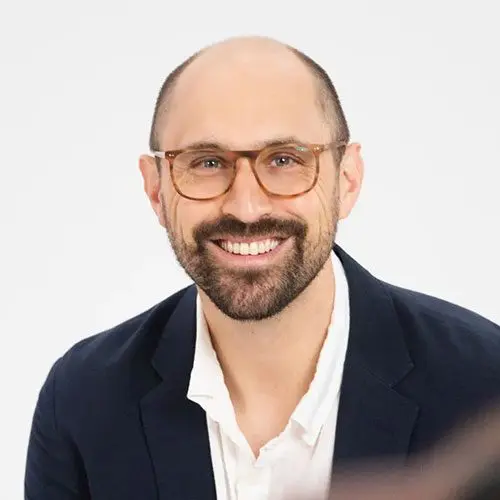
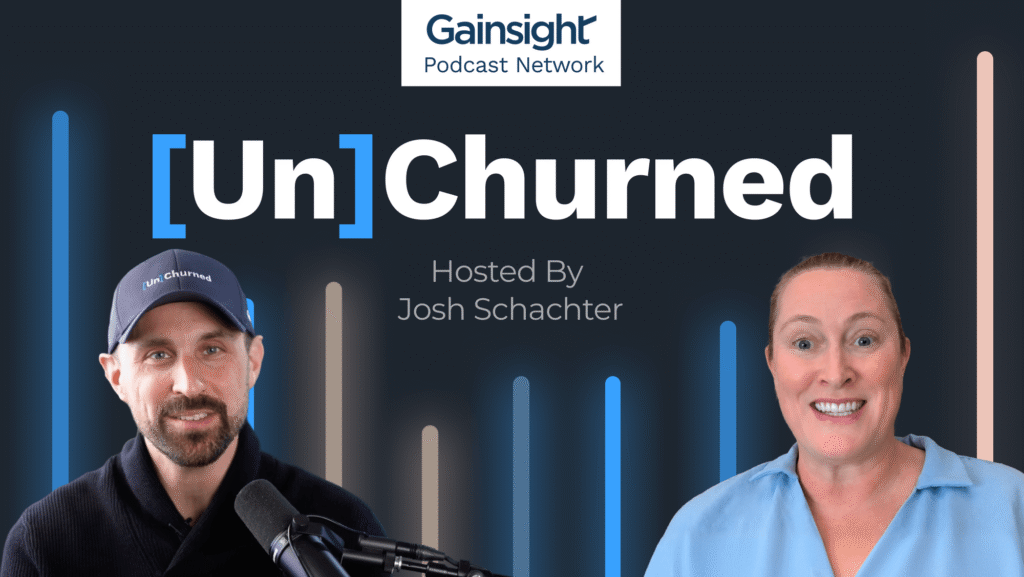
Josh Schachter, Host
SVP, Strategy & Market Development @ Gainsight
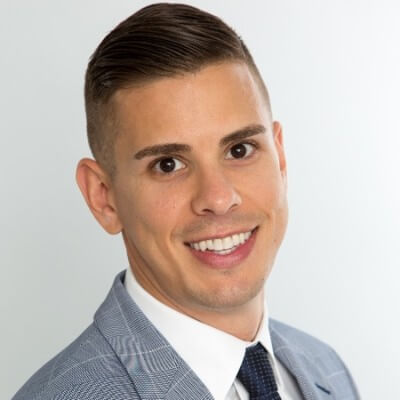
Brad Casemore, Guest
CCO & CGO @ PartsSource
Transcript
Bradley Casemore:
We have to start thinking of technology as, like, our teammate. Right. I’ve already started doing some of this within, like, my organization, where we’re using agentic capabilities, but taking the old RACI model and saying, hey, like, we actually have technology in our RACI model now and, like, we’re assigning it certain responsibilities.
And I’ve got team members, right, who are accountable for those things. Like, so you’re accountable for overseeing these agents, but the agents are responsible for doing the work and doing so in a way that allows us to provide that same experience, you know, to all of our customers and at the same time freeing up that team to be able to actually do more proactive customer outreach. Right.
Josh Schachter [Host]:
You’re listening to Unchurned, brought to you by the Gainsight podcast network. There’s a question every customer success leader is sitting with right now. Where exactly does the AI fit? Brad Casemore has an answer. As chief customer officer and chief growth officer at PartSource, he already moved one part of his business from low 90s retention to 99.6% by getting proactive with his customers. Now he wants to do it at scale, and his plan involves updating a framework. Most CS leaders know well the RACI model today what it actually looks like to put digital labor in your org chart and manage it the same way you manage your people. I’m Josh Schachter. This is Unchurned.
Josh Schachter [Host]:
Subscribe to our substack@ Unchurned.Gainsight.com where we go deep on every episode. Like how one post sales team at cloudbeds built over 150 AI agents. That story and more at unchurned.gainsight.com hey, everybody. Welcome to this episode of Unchurned. I’m your host, Josh Schachter, senior vice president of strategy and go to market development at Gainsight. And I’m excited to be here with my favorite. You don’t even know this yet, Brad, but you are my favorite. And now I’m going to get in trouble with all the other CCOs, but my favorite CCO and Chief Growth Officer, Brad Casemore of PartSource.
Josh Schachter [Host]:
Brad, thank you for joining us.
Bradley Casemore:
Hey, no problem, Josh. Glad to be here. Yeah.
Josh Schachter [Host]:
And I just realized now, yeah, like I said, I gotta do damage control now and make a few phone calls and text messages when this comes out because there’s other chief customer officers who I love as well.
Bradley Casemore:
But that’s always say, like, one of my favorite. Right? You know, yeah.
Josh Schachter [Host]:
But I’m also trying to be like my authentic self. And you’re my favorite man. And I’ll tell you why, because I just get this. We were just talking a second ago. Our birthdays are two days apart. We’re both Aries and we’ve both got that bullishness. And I see that in you. I see that in the way that you’ve reported into your board about your energy, of the initiatives that you take on and how you evangelize those, about your bullishness in engaging with us and just jumping right into Atlas, which we’ll talk about like all the things.
Josh Schachter [Host]:
So for those reasons and more. So tell us a little bit about PartSource is a household name in some of your circles, but maybe not as broadly in the SaaS world. So first, tell us a little bit about PartSource. You are the chief customer officer and chief growth officer and then we’ll talk about your org.
Bradley Casemore:
Yeah, Josh. So, you know, simply put, PartSource is a healthcare organization and our mission is to ensure that healthcare is always on. So we help healthcare organizations make sure that their mission critical assets are kept online, been running and as I often say, like, if healthcare technology is down, like healthcare is down, right? As a part of it. And so in an environment and in a world where healthcare costs continue to rise, it’s important that we’re focused on really two things, like how do you reduce the cost of service to be able to keep that equipment online? But two, how do you also unlock clinical capacity? Right, because in the healthcare kind of industry, capital assets, right, are expensive, both the equipment and the physical footprint. It’s not your traditional, you know, manufacturing plants where you can put them in rural areas. You know, the healthcare organizations have to be, you know, kind of where people are, which is often more urban areas. So the only way to really increase revenue, it’s like, you know, getting more space or physical space is really expensive. And so how do you optimize your physical footprint? How do you optimize kind of the use ultimate ultimately of the assets that you have in your facility as well to continue to drive increased your revenue? Because healthcare organizations need that then be able to reinvest back into their mission to be able to continue to drive care.
Josh Schachter [Host]:
And very succinctly, what is the business model for PartSource?
Bradley Casemore:
So a couple of things. So PartSource A, we have our online marketplace, right, that sells parts for your clinical assets. So if an asset goes down, you need to replace a part. You’ve got one place you can go. sometimes, Josh, people say it’s like the Amazon, right, For your clinical parts that you need for replacement.
Josh Schachter [Host]:
Like what’s the clinical part like? Like a, like a hospital bed or what are we talking here?
Bradley Casemore:
You got a, you got a CT and you got an MRI machine, you’ve got magnets, you’ve got tubes, you have things that go down. You know, you’ve got sterilization equipment. And so all of the AJOs require routine maintenance. You know, so every quarter, twice a year, you need to go in and do maintenance and replace certain parts in them and filters and things like that. But then also it’s equipment and all equipment breaks right, from time to time. Plus when you, when equipment breaks, you then have to do corrective maintenance on those devices to be able to fix it.
Josh Schachter [Host]:
Okay, so marketplace, you’re an open marketplace.
Bradley Casemore:
Yep. So the marketplace and then the second component we have is a service network. Right. So ultimately, Josh, like in, in the world today, healthcare organizations, they have a lot of service contracts. You need people to be able to fix those equipment, that equipment. And so healthcare organizations typically have like an HTM or clinical engineering staff. And that staff usually maintains a certain portion of the equipment. But then there’s other more complex equipment that they maybe don’t quite maintain yet because they don’t have the in house capabilities.
Bradley Casemore:
And this is another area, Josh, where in the healthcare industry you continue to see an older generation, right. And there’s a lot of people retiring in the space and you’re seeing more people retire than you are seeing people actually enter the clinical engineering release fee job field. And so with that they need kind of an extendable staffing model to where they can say, hey, we’re going to maintain this equipment with our in house staff, but then we’re going to be able to leverage vendors to be able to help us with the other equipment that we don’t have the in house skill set to be able to do. And so, Josh, we have a really unique model in that we, we actually don’t have, we don’t have engineers, right. On our, on our team that do that. But what we do have is we have this, you know, digital online portal and you know, offering that allows organizations to consolidate their contract footprint. And so most organizations, no healthcare organization deals with just one vendor. They typically deal with hundreds of vendors.
Bradley Casemore:
So you imagine, Josh, like having to now manage hundreds of contracts, right, in a, in a healthcare organization, you know, which is already you under a lot of financial pressure. And so our offerings allow them to consolidate those contracts into One contract with us, and then we administer essentially the service network for them. So we use both, you know, a mix of kind of the OEMs and, you know, ISOs as well, providers to be able to help fulfill that service contract. But now you have one workflow, one enterprise platform, a way to kind of measure the quality of all that, and one consistent way as well, versus understanding quality and trying to interpret quality and compare that against, you know, all these different systems that are out there in the market. So really, really unique offering right in the space. But as we think around how to continue to, you know, drive efficiency within healthcare organization organizations, this is one of our kind of key offerings that we have out there. And then, Josh, there’s a couple other things too, that we do as well, which are maybe a little less well known, but on the training side of it. And so how do we also help these clinical engineering departments continue to train up their technicians to be able to take on more and more develop their capabilities to service more equipment than to have in house? So we have the largest training facility, rsti, which is part of the Part Source portfolio of offerings, as well as we’ve got AR and VR capabilities.
Bradley Casemore:
And so how do you actually train people? By not having to send them out, by using the newer technologies by both AR and Dr. Technology to be able to learn how to fix equipment that way too, as a part of it. And then, Josh, our last offering is most organizations, they don’t look at their clinical capacity. And I say that in a way, sorry, they don’t look at it through the lens of their assets, right? Saying, hey, am I sweating my asset every day? To the absolute best I can, meaning how many scans should I be doing? How many procedures should I be doing on this asset? And so, Josh, that’s one of the other things we continue to look at is how do we actually help you drive more revenue from your current assets? And there’s two ways we do that. One is looking at the usage of them as a part of it, and so the utilization. And then the other side of it is to say, hey, oftentimes on these larger, more complex assets, they don’t just stop working. It usually like whispers, right? And it’s like, hey, there’s signs that it’s going to potentially be going down.
Josh Schachter [Host]:
Sure.
Bradley Casemore:
And so we have, you know, capabilities that do remote monitoring on these assets to be able to actually predict when the devices are going to go down. So then how can you intentionally actually take them offline to then be able to go and repair them? Before they go offline so that you don’t disrupt clinical care. So kind of a complex portfolio of solutions that we’re able to bring, to bring to the market to really help organizations manage their entire asset fleet.
Josh Schachter [Host]:
There’s a lot to go off of there. Okay, where do we start? So first of all, something, what you just said reminded me. I don’t know who or when or what, but I remember years and years ago, I met somebody whose parent was a hospital equipment technician at a hospital, and they were telling a story about how like when the refrigerators in the morgue break down and they have to go repair them. You just said reminded me that, like, that’s, that’s some dirty work right there. So respect to everybody that’s, that’s repairing those, those important pieces of machinery. How big is the company?
Bradley Casemore:
So part is about 750 people.
Josh Schachter [Host]:
750 people. Okay. With a myriad of different business models, which I find fascinating. It’s one of those things where it’s maybe not the sexiest, you know, SaaS, AI agentic company, blah, blah, blah. But then you’re like, wow, but you guys have unfurled all these different avenues to, to really, to help this, this market, to own this market, to help this market. I think that’s really cool. It also sounds like there’s a lot to do with a company that is, quote, unquote, only 700 people. Talk to me about that from the perspective of somebody who runs post sales, let’s say, and growth.
Bradley Casemore:
Yeah, you got it. And you know, that’s actually one of the things that brought me to partsource. Right. So I have a background in healthcare, spent a number of years in healthcare administration, you know, before getting into your big four consulting as well, well as kind of the SaaS side of things, and working with private equity and helping to scale software organizations. And so coming to Card Source, it was an opportunity to take what I had done in your traditional SaaS world and say, how do you apply these kind of customer success models ultimately to what’s a very different model, right. Than just a SaaS model? We are absolutely technology enabled, data driven on everything, you know, that, that we do. But it was having to bring that mix. And I was like, this sounds like a really cool opportunity, right.
Bradley Casemore:
To, to work for an organization that is, you know, incredibly mission driven. So that’s a problem here. So, but kind of coming back to your question, there’s no shortage of things to do. And, and Josh, this is ultimately, you know, I think an area where our partnership With Gainsight is Gainsight has shined as well in terms of how do you understand all the signals to be able to prioritize your work every day? And especially when you’ve got transactions running over the network, you’ve got a supply chain, you’ve got a coordination with field services and the people side of it, as well as the technology side. So it’s a really, really diverse set of skill sets that we have throughout our organization that we have to manage every single day to be able to provide the services that we do for our customers.
Josh Schachter [Host]:
Join me at Pulse this May in Las Vegas. I’d love to meet our listeners. Come say hi. And your daiquiri in that tall fluorescent cup is on me. Seriously. Use code unchurned for a special rate@gainsightpulse.com you’re the only chief customer officer I’ve met who is also the chief growth officer. Tell me a little bit about that.
Bradley Casemore:
Yeah, this was actually a decision we made late last year. And there’s really two parts of it, Josh. One is when you think around it and you think around growth, growth really comes when you deliver on value for your customers. And so when you think around that and you say, hey, if growth comes when you deliver value, how do we make sure that the entire customer life cycle, right, is. Is cleanly mapped across the organization, as well as making sure that we’re structuring and aligning our people to one customer life cycle? And so, Josh, that’s been the fun, I think, that I’ve had over the last, I’ll say, nine months in taking on more. More of the growth side of it is ensuring that everything that we do pre sales aligns to what we do, you know, post sales, in. In terms of how we onboard customers and retain customers. And so kind of my remit is.
Bradley Casemore:
Is within my organization, I have sales engineering, I have sales operations, I have sales enablement, you know, customer success, you know, customer onboarding, Josh, as well as, like, you know, core development. So anytime we build new capabilities that we’re going to be bringing to market, and then our account services teams as well. So kind of all of those organizations, you know, roll up kind of through what we call, you know, commercial excellence, ultimately, which falls under my remit. And so being able to map that helps us really understand, Josh, what are the tactics and what are the things that really drive customer value? Because I always tell people, when you drive customer value, growth just comes because customers are bringing more problems. They’re like, hey, you guys, help me solve these problems. Can you also help me solve these things, too? Because you become really just that trusted advisor to them that helps them achieve their goals. And so they come back and they want more of your help, which ultimately drives growth. And so that’s the lens through which I’ve always looked at things is it’s saying, hey, guys, that, like, deliver on the value you promised your customers, make sure you know how your customers are going to measure value each year, and then growth is going to come organically from that.
Bradley Casemore:
And that’s the focus, you know, that we have here is it’s, hey, guys, like, how do we make sure we deliver on the value? How do we make sure we measure that? And customers understand how we’re measuring it, and we’re aligned on how we’re measuring it, and that changes each year. So you have to understand that at the start of each year to make sure that you’re aligned on what success looks like, to continuously deliver incremental value.
Josh Schachter [Host]:
Can you think you’ve been in this role as Chief Growth Officer now for about nine months, you’ve been, you know, CCO for, for a couple of years. Can you think of the key learnings that you’ve had now that you’re sitting in that seat that you’ve taken back to how you manage post sales and the insights there?
Bradley Casemore:
Yeah, yeah. And there’s. There’s a number. And Josh, I think early on, as you know, cco, I’ve always had a little bit of a different mindset, right, Than maybe other folks. And that is that, hey, guys, I welcome the problems for us to be able to solve. Right. And I say that, you know, open and honestly to say, hey, guys, sometimes you’re. You’re doing new things because that’s what the market needs.
Bradley Casemore:
Right. And that’s what your customer needs. And sometimes I think pull sales organizations can get frustrated by that. They’re like, right, like we don’t do that or like, that’s not exactly how it works. And I’ve always been like, hey, guys, there’s two options. Either we have the problem or, like, and I’m happy to have it, to be able to solve it, to stretch us to think differently. Or we could have said no. But then you don’t get the business, right? You don’t get the opportunity to learn, you don’t get the opportunity to stretch, and that could be the way that the market’s going.
Bradley Casemore:
So I think I’ve always had a little bit of a unique lens, right. Than maybe some of the other CCOs that are out there in terms of always being open to that, Josh. And so I think that that has been kind of a huge helper. But I’ll also say in diving into the, you know, I’ll say more pre sale side of things, have learned a ton, right, in terms of what matters, funnels, you know, running sales operations, running revenue operations, have had to learn a lot more about marketing, demand generation, you know, funnel conversion. Those are things that, you know, you always get the numbers being a part of the elt, you know, numbered board, but you don’t necessarily dive deep into understanding all of the levers and how you actually move the needle on some of those things. And so I’ll say I have a much greater appreciation to that side of it now that I have the responsibility for it.
Josh Schachter [Host]:
I mean, to that end, can you think of something that you’ve learned from the sales side that you. That maybe other CS leaders would be appreciative to know?
Bradley Casemore:
Yeah, I think something, Josh, would be that I look at is attribution. I think attribution is like a huge thing. When you think pre funnel, you know, all of the tactics, you know, all of the touch points, and sales and marketing are continuously evaluating that, right? Like, are these things attracting the right customers? Are we educating customers the way that we need to to be able to drive conversion? Now, when you think post sales, Josh, it’s like, do we have, do we take that same rigor? Like, are we continuously evaluating all of our touch points with customers? Are we understanding what’s driving value, right, for the customers, what’s driving outcomes, what’s driving the best experience and what’s driving the best ROI for them? And I don’t think traditionally I can say that, like, I haven’t traditionally gone to that level. You know, I’ve always looked at kind of customer health. You look at churn, you say, here’s the things you should be doing, but are you actually correlating those touch points to the customer outcomes and then making sure you’re focusing on those touch points that really matter? And so I think pre sales, the attribution model, they figured this out, right? And have been doing it for years. And sales and marketing, like, that’s their model. And so, Josh, I’ve taken a lot of that and have actually said, hey, you need to be doing the same things whole sales, right? In terms of looking at attribution and tactics that are really driving value in ROI for customers.
Josh Schachter [Host]:
I’m not going to sit here and talk about Atlas, our newish product, but I’m Going to ask you to do that. So tell everybody out there about Atlas, which we’re.
Bradley Casemore:
We’re.
Josh Schachter [Host]:
We’re filming this here at the end of March. We’ll probably go live with the episode in, you know, three to four weeks. And you’re in your. Your implementation right now of it. Tell everybody what ATLAS is, and we can get to kind of the story of what you were seeking to accomplish when you first started to go through that sales cycle with us.
Bradley Casemore:
I will, because I’m super excited about this part of it. And being the areas that we are, Josh, we sometimes like to be progressive. We’re determined. We’ve got the fire to want to go figure things out. And that’s absolutely where I am and love that part of being able to test new things and drive new things. And so one of the opportunities we have is specifically the services part of our business. We have a really long tail. And I’m a huge believer, Josh, that, like, we have to provide the same experience for every customer, right.
Bradley Casemore:
That is out there. And. But that becomes hard to do, right, when you have thousands of customers, right, that you have. And so you have both an obligation to your customers to make sure that you’re doing so in a fiscally responsible way so that you’re continuing to invest in R and D, their prices don’t go up. Right? And so you gotta be able to balance it. And so I look at Atlas right, in the renewal agent there and say, hey, I’ve got a team that is focused just on processing these renewals. And one of the things that I’ve wanted to do, Josh, is to say, how can I have that team be. Think more proactive around customer health? Now, the work that they do is absolutely value add, right? And it’s work that has to be done.
Bradley Casemore:
But how can I actually have that team do higher value at work? And before having Agenta capabilities, I don’t know that we had a way to get there. But now that we have Agenta capabilities, and the way that I talked to the team about Atlas, I was like, hey, guys, we have to start thinking of technology as our teammate. And I fully believe this. And Josh, I’ve already started doing some of this within my organization where we’re using Agenta capabilities, but taking the old RACI model and saying, hey, we actually have technology in our RACI model now. And, like, we are assigning it certain responsibilities. And I’ve got team members, right, who are accountable for those things. Like, so you’re accountable for overseeing these agents, but the agents are responsible for doing the work. Right.
Bradley Casemore:
And so that’s one of the new things I think has been really fun in terms of, like, how you take digital labor and how you adopt your models to be able to be able to do that. And that’s exactly what we’re doing, right, with, with Gainsight and Atlas and being our renewal agent is saying, hey, this is now going to be our digital workforce that’s going to be preparing all of the renewals, making sure it understands sentiment, and ensures that we get our renewals out on time and doing so in a way that allows us to provide that same experience to all of our customers and at the same time freeing up that team to be able to actually do more proactive customer outreach. Right. Which of course, we use Staircase AI to help us buy risk and things like that as well. Some more KSI’s products and portfolio, which we love as a part of it. And so I’m really, really excited because on the parts side of our business, right, Josh, we made a pretty big investment to bring these capabilities in and to take the more proactive approach and outreach. And we saw huge benefits from it. Right.
Bradley Casemore:
Like, we were in one portion of our business had like, lower 90 retention rates and we’re 99.6 last year. Right. And so being able to move the needle when you take this more proactive approach. Right. Like, definitely drives the outcomes for the customers. And this is the unlock for me in terms of being able to do that on the other side of the business.
Josh Schachter [Host]:
Now, what I love the most about what you just said is not the Gainsight plug, it’s the racy model. Because we talk about, like, what’s the role of AI in the world of customer success and other functions. And we talk about, well, you’re going to have your agents that you’re going to be managing as part of your role. But I’ve never thought about it in terms of that framework. And I really love how you’ve placed that lens on it. What I guess it probably. I was going to say, what part of the raci is the agent? It’s not the A, actually, it’s ironically.
Bradley Casemore:
Right.
Josh Schachter [Host]:
It’s the other pieces. But I suppose you would say it depends, right? It depends on the use case.
Bradley Casemore:
Yeah, it. Absolutely. And what I tell people is that, like, hey, we’re. We’re nowhere close to it being the A. Right. It’s not going to be accountable. Like, that’s always going to be humans, right. That are accountable for its work.
Bradley Casemore:
And Josh, I say this and it’s just like any other team member, right? You have to coach, you have to guide, right? You have to train, you have to give feedback, and that’s how you get people to be better. And when you’re bringing agents into, you know, agentic agents, like, into your organization, you have to take the same exact approach. Like, you can’t bring an agentic agent in and just think it’s going to be perfect. Like, you have to have the model, you have to have the people, and you have to have, you know, the capacity to be able to say, it’s not going to be perfect, it is going to make mistakes, but I’m going to train it, I’m going to coach it, I’m going to give it feedback, and that’s ultimately how it continues to get better. Just like it is. You would manage your human capacity, you have to then manage your digital capacity the same way.
Josh Schachter [Host]:
Yeah, absolutely. Okay, I want to flip to you. You’re a very impressive leader, young leader. You’re just telling me you’re maybe not as young as you look, but you’re young still. And I’m looking at your LinkedIn and I know a little bit about your background and you’ve really done some really cool things, starting out through, like you said, consulting, project management, professional services, leading customer success and post sales as chief customer officer. Now also as a growth officer. That’s really cool stuff. And being on the ELT and whatnot, I want to try to distill that into lessons for aspiring folks that want to be in your seat.
Josh Schachter [Host]:
What do you see as the central theme through line in your growing career that has enabled you to be successful and to get to where you are today?
Bradley Casemore:
I think a couple things. One is, Josh, I’m just a constant curious person, right? And so if there’s a problem, if people are throwing out ideas, I’m sorry, just I want to dig in, right? I want to learn. And I’m continuously thinking of, like, is there a better way to do that? Or is there a different way to do that? And Josh, you know, being a systems thinker, like, has obviously, like, really helped me in terms of being able to say, hey, how do I actually put this all together? And I think that that’s one of the hardest pieces, right, is saying, hey, a lot of folks can design for a certain space, but they don’t spend the time to think around how does this fit into the organization as a whole, right? And how is this actually going to change the trajectory and what does this mean for all of the departments Right. And. Or people around that have to be a part of that. So really, that systems thinking, the continuous kind of curiosity, is a key piece. I also think, just honestly, I love people. Like, one of my favorite things is helping to get people outside of their comfort zones.
Bradley Casemore:
So, Josh, you know, sometimes people on my team, I move fast and furious. They’ll come to my team, right? And they’ll be like, oh, I just, like, don’t know. And I’d be like, this is great. I love this. I was like, you know, you’re now outside of your comfort zone, right? Like, this is where the growth happens, right. As a part of it. And so creating that space for people to be able to, you know, feel safe, to be able to go try new things, do different things is something that I’m just super passionate about, because I think that’s when you see people just really shine, because sometimes people won’t. Won’t make those steps on their own.
Bradley Casemore:
Right. And so being able to help them get there and then seeing their careers. Right. Ultimately grow and flourish as a part of it, those are some of the things, I think two of the things that have been, you know, key to kind of my success in terms of being able to really help coach, guide, mentor people and grow great leaders, as well as just being constant curious and learning and digging in and figuring it out.
Josh Schachter [Host]:
Yeah, hard shift in gears here. You’re coming to Pulse this year in Las Vegas in May. Have you been to Pulse before?
Bradley Casemore:
I am, yeah. I was there last year and look forward to kind of being back again this year.
Josh Schachter [Host]:
What do you think? What’s been a past highlight of your experiences there? What are you looking forward to this year?
Bradley Casemore:
Well, first off, I’ll say I left last year and heard all about the work you guys are doing on your renewal agents and was like, I need that as a part of it. So I think immediately I started engaging with you guys to see exactly how this fits into my business model, so exactly where I need to go next as a part of it. So I was able to learn there. Josh, I was thinking it’s just a great opportunity to network, right. With other folks in the industry, see what other people are doing out in the industry as a part of it as well. So, yeah, I’m curious to see in a world of AI where things change. I say weekly, but honestly, it’s daily and sometimes it’s hard to keep up. I look forward to seeing what is gainsight going to unleash this year, as you guys have obviously been pretty progressive in the space and especially as you move towards more of, like, you know, your, your attention as a service model as well.
Josh Schachter [Host]:
There’s going to be so many fun conversations. I can’t wait to meet you in person. We’ve never met in person, so I’m looking forward to it. We’ll have to grab a beer and, and go from there. Brad, thank you so much. Brad Casemore, CCO and CGO at PartSource. Thank you so much for being on the program.
Bradley Casemore:
You bet. Josh. Good. It.
[Un]Churned is the no. 1 podcast for customer retention. Hosted by Josh Schachter, each episode dives into post-sales strategy and how to lead in the agentic era.
Browse Series
Subscribe on