Adnan Rahman reveals the value realization framework they use at Paycore to retain 35,000 customers covering discovery questions, joint success plans, churn prediction, and AI at scale.

186. Why The Best CS Leaders Start With The Boardroom, Not The Product ft. Adnan Rahman (Paycor)
Show Notes
Most CS teams are stuck in a loop. Monitor the health score. Chase the red account. Run the QBR. Hope the renewal sticks. Adnan Rahman saw the loop. And broke it.
As the Head of Customer & Partner Success at Paycor, Adnan manages 35,000 customer relationships across different segments with a team of nearly 100 CSMs. That kind of scale forces clarity fast. And what became clear? The problem was never the metrics. It was the conversation.
In this episode, Adnan breaks down the value realization framework his team built from scratch that is now deployed across 28 enterprise CSMs and 17 mid-market CSMs, with a goal of 75% active success plans by year end. He gets into the exact discovery questions that replaced fear with candor, why executives are now showing up to meetings they used to skip, and how joint success plans replaced the product demo masquerading as a QBR.
—
Want the playbook, not just the conversation? Subscribe for deep-dive, actionable breakdowns from every episode at unchurned.substack.com.
—
What You’ll Learn
– How to build a value realization framework
– The exact disruptive questions that unlock executive conversations
– What a joint success plan looks like vs a traditional QBR
How to connect every CSM touchpoint back to measurable business outcomes
– How to ask about renewal without making it awkward
– Where AI agents will hit CS teams first
– What community looks like when answer engines exist
– How to scale personalized outreach without scaling headcount
Timestamps
0:00 – Preview & introduction
1:17 – Meet Adnan Rahman & Overview of Paycor
4:50 – The value realization framework explained
7:07 – Do customers arrive knowing their outcomes?
8:05 – Bob London’s UBR method & the most disruptive questions CSMs ask
9:06 – Implementing the framework & outcomes
11:56 – How to build your own value framework from scratch
16:31 – How Paycor is drawing insights & enhancing efficiency with AI
18:38 – Paycor’s agentic future: renewals, expansions, risk
20:40 – Paycor’s learning & community inititative
24:29 – Where Paycor CS is headed by year end
Featuring

Josh Schachter, Host
SVP, Strategy & Market Development @ Gainsight
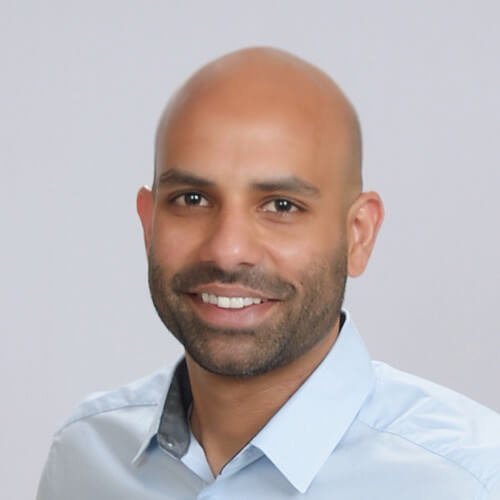
Adnan Rahman, Guest
Head of Customer & Partner Success @ Paycor
Transcript
Adnan Rahman :
Customers can’t really articulate the value they’re getting, right? And so when a CFO comes knocking on the door and is asking, why are we paying for this? You don’t really have a compelling answer.
And the value Realization framework solves this by giving CS teams a structured way to connect with every customer interaction back to measurable business outcomes. And this really helps transform CSM from a reactive support contact into a strategic advisor who speaks the language of the C suite.
Josh Schachter [Host]:
You’re listening to Unchurned, brought to you by the Gainsight Podcast network.
Josh Schachter [Host]:
A CFO looks at the budget and
Josh Schachter [Host]:
asks the question every CS team dreads. Why are we paying for this? If your customer can’t answer, they’re not renewing. Adnan Raman runs customer and partner success at Paycor. 35,000 customers, a team of nearly 100, and a framework he’s betting can turn CSMs from support contacts into strategic advisors today. Why most renewals happen for the wrong reason and what it takes to fix it before the CFO comes knocking. Josh I’m Josh Schachter. This is Unchurned. Subscribe to our substack@ Unchurned.Gainsight.com where we go deep on every episode.
Josh Schachter [Host]:
Like how one post sales team at Cloudbeds built over 150 AI agents. That story and more@ Unchurned.Gainsight dot com
Josh Schachter [Host]:
hey everybody and welcome to this week’s episode of Unturned. I’m Josh Schachter, your host, senior vice president at Gainsight. Very excited to be here today with Adnan Raman who who is the global head of customer and partner success at Paycor. Adnan, welcome to the program.
Adnan Rahman :
Hey Josh, pleasure to be here. Excited?
Josh Schachter [Host]:
Yeah, I’m excited. I’m also excited for you. At the time that we’re taping this episode, you were very recently promoted to this role of heading up global partner and customer success. So congratulations man, that’s a huge honor.
Adnan Rahman :
Yeah, I’m really excited in the role to really lead our customer success operating model and the three critical pillars of client success, partner success and our learning enabled and function.
Josh Schachter [Host]:
So tell us a little bit about Paycor. Just for a big company but for those maybe a little bit less familiar. Paycor and then what your remit is. I mean you just mentioned your remit, but what the org looks like now for you.
Adnan Rahman :
Yeah, absolutely. Yeah. For those of you who aren’t familiar with Paycore, we are a cloud based human capital management software company specializing in hr, payroll, talent acquisition and workforce management for businesses of all sizes. We were recently actually acquired by Paychecks and so now we’re part of what’s arguably the most comprehensive HCM platform in the industry. And we’re helping businesses succeed and empowering leaders with flexible innovative solutions that scale from small businesses all the way up to enterprise organizations. And as I mentioned, yeah, my role is, you know, leading customer success here at Paycor. And we, we built a, a multi layered CS organization designed to meet customers where they are. You know, we deliver varying levels of high touch engagement models for our strategic and enterprise customers and our mid market accounts.
Adnan Rahman :
And then we have a scale touch model coupled with digital motion for our small market customers. And this really ensures that we are driving customer health and value realization across our entire customer base. Whether you’re 100 employee company or an enterprise with tens of tens of thousands employees. And to give you, you know, you a sense of scale here is we’re managing over 35,000 customer relationships. So being able to scale effectively right while managing our entire customer base has been an objective. All while balancing the nuances of ensuring that our largest and most complex customers are getting that white glove service that in demand, but also making sure that every customer feels that they’re getting the personalized and proactive guidance that they need. Our partner success team extends the same customer health and value realization mandate through our broker and reseller networks as well as our franchise accounts. And so we’re managing complex hierarchies, you know, with corporate level relationships, but then location level execution and then when it comes to client learning, everybody’s familiar with client learning, but this is really ensuring that not only our customers but our employees are truly enabled on our complex multi product solution which is directly translating into higher retention, stronger satisfaction scores and a reduced support burden.
Josh Schachter [Host]:
Yeah, that’s a lot. There’s a lot of stuff to focus on. And remind me, how big is your team again?
Adnan Rahman :
Almost 100 people now.
Josh Schachter [Host]:
Almost 100 people plus the partners. And how many partners are in that ecosystem for you approximately?
Adnan Rahman :
Oh, the partner ecosystem. That’s a great question. We have larger and smaller partners, but over a hundred or so.
Josh Schachter [Host]:
Are they the ones that are helping you manage that long tail, that scaled success program Partners?
Adnan Rahman :
No. So actually like resellers and brokers, so they refer business into pay, core paychecks and then we have resellers actually resell our product to the marketplace.
Josh Schachter [Host]:
Got it, got it, got it, got it. Let’s talk about the value realization framework that you were telling me about before as we were prepping for this call. So you put this in place now with your higher touch, your larger accounts, you’ve got 28 enterprise CSMs and your goal is to get them to 75% of customers with an active success plan by the end of this year.
Adnan Rahman :
Yep, we’re, you know, we’re off and running. We actually just expanded this to our mid market CSMs as well. So we’ve included another, another 17 CSMs who have started deploying this framework, all with the intent of, you know, helping demonstrate ROI reducing churn, helping turn our customers into true advocates. So you know, why the case for value Realization framework, Right? I’m sure that’s the question you want to ask, right? And what I’ve seen in my experience, you know, leading CS teams is that CS teams really struggle with that one. The truth of the matter is that customer success teams are stuck in a reactive cycle. Not all, but some, right? You know, they monitor health scores, they chase right accounts, they run QBRs that feel more like product demos and strategic conversations, right? And the result, customers renew out of inertia, right? It’s just momentum that kind of takes them there, but they can’t really articulate the value they’re getting, right? And so when a CFO comes knocking on the door and is asking, why are we paying for this? You don’t really have a compelling answer. And the Value Realization framework solves this by giving CS teams a structured way to connect with every customer interaction back to measurable business outcomes. And this really helps transform CSM from a reactive support contact into a strategic advisor that speaks the language of the C suite.
Adnan Rahman :
And I’ve always been pushing my teams be more strategic, right? And they always came back like, how do I be more strategic, right? And so this is, this is how we came up with that. And there’s really three core arguments that we think about and it’s really, that shifts conversation from features to outcomes, right? The holy grail. We talk about success without a framework. CSMs default back to product usage feature adoption support cases, which is my least favorite topic. But those are means, right? Not an ends. And so the value framework forces the CSM to start with the customer’s desired business outcome, whether that’s reducing their time to hire or cutting errors or improving, you know, employee retention in the HCF space and then working backwards towards. Let me ask you a quick question.
Josh Schachter [Host]:
I’m going to cut you up quickly. The desired outcomes, obviously, like that’s the, that’s the crux of everything. Do you find or have you found that they come to the table the new customer with that already established and already articulated through the sales cycle, or do your CSMs needs to do a little bit of work in the beginning to.
Adnan Rahman :
Our sales teams are pretty good about parsing that out during the sales cycle. Right. A lot of our calls are recorded and we can mine transcripts and things like that to get that information. But not all customers truly understand what they can solve for. And so, you know, when you got it on payroll, you got it on payroll as a business. Right. And so a lot of teams, our customers don’t think about all the business outcomes you get. So it’s a little bit of a mix where you get some ideas and then you have to translate that.
Adnan Rahman :
And with some customers, you have to ask a lot of pointed questions and do some deep dive around discovery and help them uncover some of the things that they want to focus on. Yeah.
Josh Schachter [Host]:
And you’ve brought in Bob London, our friend Bob London to help them.
Adnan Rahman :
Yeah, Bob, Yeah. He came and trained up the team on his UBR method and the team loved it. Right. I mean, just asking, you know, pointed discovery questions and disruptive questions. They still talk about it to date and really leverage those questions in these, in these conversations with customers to understand their, their intended business outcomes and the challenges that they’re facing. What.
Josh Schachter [Host]:
What’s the most poignant question that you can think of, top of mind that he’s helped you with?
Adnan Rahman :
I think the team really likes asking about, you know, what, what their board’s talking about, if they could step into a meeting with their board. Like, what’s the one thing that the board is discussing at the moment? Another one is the churn question. Right. If a competitor called you right now, you know, would you answer and what would you say? And so the team, you know, helped them get over fear of asking about renewal. And so now they’re having those, you know, those challenging conversations with customers to understand and, and, you know, there was a lot of hesitation at first that customers would kind of lie to you, but it’s the exact opposite. Right. They’re very forthcoming when you give them the opportunity to tell you about the relationship and how things stand. Yeah.
Josh Schachter [Host]:
What’s the, the user journey, if you will, of, of this framework? So for a csm, like, what are the key moments of truth? How. How does this, how does this framework really play out day to day, week to week, month to month for your team?
Adnan Rahman :
Yeah, we kind of view it in a cyclical nature. Right. So it really starts with success planning. Right. So we have a cadence expectation for our CSMs and it resets depending on the segment. But you think about your first conversation with a customer and we want that to be a strategic success planning discovery session. Right. So you’re coming in and you’re asking the customer specific questions around, you know, what are their challenges, what are their business outcomes.
Adnan Rahman :
You obviously come prepared with some information. And so you go into that conversation understanding what their objectives are. And then that turns into these are the things that our product can solve for. Right. And these are the metrics that we could tie to it. And here is a play we’re going to develop. That’s how it kind of translate over time. But really it starts with, you know, that success planning conversation.
Adnan Rahman :
And then over the course of the months, following months and quarters, you’re going to be sharing information, you’re going to be tracking progress. And as you track that progress and you share information, whether that’s product features, best practices, industry thought leadership, then you can kind of see how things are materializing over the course of time. And your status calls are more pointed. Right. And they’re very strategic in nature. And that all translates into the end of the cycle, which is your business review.
Josh Schachter [Host]:
Right.
Adnan Rahman :
And so you’re kind of recapping and summarizing all the progress that you’ve made. And from there, you know, you can, you can get to verified outcomes and then it’s either continue on or it’s reset. Right. It’s okay, let’s go back to success planning, you know, drawing board. What are some other things that you want to focus on and so you can really understand from a customer. And what’s interesting is that not only are you focusing on like what products they have, but you can also uncover what products or use cases that they have and products that they don’t own. And so now you have some white space and you talk about product, you know, purchasing additional products and expansion and things like that.
Josh Schachter [Host]:
So have you seen results yet where, where it’s led to NRR and expansion?
Adnan Rahman :
Yeah, absolutely. We see it all the time actually, where we understand where the customer is or where they want to go. And then we can kind of plug, hey, you know, we actually have a product that will solve that need. So it’s actually been a huge success and a huge hit. It’s really helped our CSMs become more strategic in nature. Right. And their conversations are up level, they’re getting the executives to attend the meeting. Right.
Adnan Rahman :
It’s no more just a tactical status call. It’s a true business review talking about strategic items. So CSMs are jazzed up. You know, our customers are jazzed up. They feel that the relationship has truly evolved into a much more strategic, you know, relationship.
Josh Schachter [Host]:
Do you have a consistent title for the meeting that you do? These meet that the. You take the.
Adnan Rahman :
We usually mention, we talk about joint success plans, you know, keyword joint. Right. So this is us coming together and really focusing on, you know, your success as a customer, but working on it together.
Josh Schachter [Host]:
Yeah. So for leaders out there listening that know this is the right. I mean this is, you know, this is fairly obvious stuff, this value realization framework. We all know it, but we don’t all have it. What would be your tip to the other leaders out there listening that don’t yet have this framework to get started? What’s like the first step for them?
Adnan Rahman :
Yeah, the first step is you got to start by asking what are the top reasons customers buy our product? Not features, but challenges that they’re trying to solve for and the outcomes that they want to drive. And then just grouping those into three to five broad categories. Right. You don’t need to get super deep, you don’t need to boil the ocean. Just start high level and you’ll get there. And so pro tip is to interview your best customers, talk to your top performing CSMS solutions engineers, have a ton of knowledge as well as your account executives. Right. And what we did is we actually talked to our learning team and the categories emerge in those patterns and in those conversations.
Adnan Rahman :
And don’t go into a whiteboard session, just go around, talk to people in the business, right. They’re going to have all the answers. And then from there, you know, you have each category. Now you, now you define three to five, three to four or five specific expected outcomes. And it should be concrete enough where you can really measure, but broad enough to apply across your customer base. And then from there is what are the leadings and lagging metrics, right. That you can attach to those. And so you know, that way your framework gets some teeth and your leading, you know, metrics will be early warning system and coaching.
Adnan Rahman :
Tool lagging metrics are things that you’re going to talk to about with your executive sponsor and then you know the roadmap. Right. The framework comes into play with developing the plays, the best practices and the thought leadership for each outcome. Right. It’s one thing to tell a customer, like use this feature. It’s another thing to help the customer with step by step guides, whether that is industry specific best practices, thought leadership, process enhancement recommendations, you know, benchmarks and guides. And so I think That’s a great thing that Gainsight does with us, right? I mean, when we have a question or we’re trying to solve for something, we get guidance on not only, hey, this is a feature that we have can help solve, you know, but here are some steps you can take and here’s something other customers are doing. Here’s some webinars, right.
Adnan Rahman :
And some thought leadership that really helps us think about that. And then we talked about Bob. Right, but those disruptive questions come into play, right? Where not do you. Right. So you never really want to ask a question like, do you have hiring challenges in our case, right. It’s. It’s what parts of your hiring process feel inefficient. Right.
Adnan Rahman :
So it changes the frame of the question a little bit, but it gets the customer to share a little bit more. And so those discovery questions are super important. And then, of course, you want to map product features to each outcome. Right? So if they’re trying to solve for something, what is the product or feature that’s going to help them? And then there’s the playbook of how the CSM really thinks about it, right? How you roll it out, how you deploy it, their process. Like we talked about, the kind of the nature of success plan, you know, sharing best practices, ebr, that kind of flow to making sure that, you know, CSMs are well equipped and prepared to kind of drive this on a regular basis. The last thing you want it to do to be is a one and done, right. This is, again, something that resets. It’s live, you know, you keep it ongoing as long as you have the relationship with the customer.
Josh Schachter [Host]:
Join me at Pulse this May in Las Vegas. I’d love to meet our listeners. Come say hi in your daiquiri. And that tall fluorescent cup is on me. Seriously. Use code unchurned for a special rate@gainsightpulse.com
Josh Schachter [Host]:
you know, while it’s on my mind, the one thing that I applaud you for is bringing in Bob London. Because it would be one thing to just have this framework and send it out to your teams and.
Adnan Rahman :
But.
Josh Schachter [Host]:
But you. You have to realize how important those conversations with customers are. And if you don’t get them right, if they’re not structured properly, the little, like you said, like, the little nuance of like, not asking a yes, no question, those sorts of things. So good on you to make that investment because I’m sure that it’s paid dividends for your team.
Adnan Rahman :
Yeah, again, absolutely. As I’ve led, you know, various teams in my in my career, right. It’s always, you know, that piece that seems to be missing from, from the teams I’ve led at least where they just don’t know exactly what questions to ask or how to parse out the information that you need. And our good friend, you know, Nick Mehta, he came and spoke to my team once and you know, the thing that he kind of shared was be curious, right. And that was kind of the, the parting words of wisdom. He left with us and the team always wanted to be like, yeah, I want to be more curious. What are some questions I can ask to really get the customer to share important information with me that’ll help drive the relationship?
Josh Schachter [Host]:
Oh yeah. Nick is like the superman of curiosity. He is just his mind ultimate sponge and his retention of things. I mean his, his mental NRR is like 200%.
Adnan Rahman :
I love it.
Josh Schachter [Host]:
So, so speaking of AI, which we weren’t speaking of, but I’m moving us there. There, there’s three ways to think of, of AI in this transformative world that we’re in. There’s a, there’s efficiency and how can AI help to save time for your CSM so they can focus on the more strategic, the less tactical. There are the insights that it can give you and your leadership team around what’s happening across the customer base. And then there’s the agentic thing, automating, semi automating, outreach, different types of sequences to help you because you’ve got 35,000 customers, you’ve got quite a few customers that are unmanaged or barely managed. Right. To no fault of your own. So then there’s that piece of it as well to help you cover those bases.
Josh Schachter [Host]:
So let’s, let’s tackle each other. Three efficiency insights and agents. How are you thinking? Or slash, what are you doing around AI’s benefit towards efficiency for your team?
Adnan Rahman :
Yeah, we’re doing a lot there. Right. Of course, everyone’s first and favorite is probably just helping with email writing. Right. There’s a little bit of lift there. But we’re thinking about things in terms of call prep. Right. We use copilot within gainsight.
Adnan Rahman :
That’s great for call Prep insights, preparing CSMs to cut out some of the manual administrative work of preparing for a call, obviously replying to customers and speeding up time of just taking some thoughts and getting AI to help you kind of formulate that in a customer friendly way. And then we’re looking at tools and technology to help build decks. Right. So CSM is spending over an hour building a deck. We’re actually looking at Matic right now and really excited to get that going in very near future because we know every deck takes an hour and we can cut that down to minutes, right? And so that’s, that’s some of the efficiency gain that we’re looking at. And then when we think about insights, right, we’re actually, we just released a Churn prediction model tool, right? So it actually tells us, hey, a customer might have a high propensity to churn based off a variety of different flags and filters and. And then it’ll actually give us insights into why. And so that’s kind of the next stage of where we’re taking things in terms of insights and of course, you know, propensity to buy, right.
Adnan Rahman :
If they have a need on a different product, right. If they have a gap or they have a use case and they don’t have that product. So that’s kind of the next, the next stage where we’re looking at things with insights. Sorry, I jumped, jumped a question there. I know we’re focused on. That’s fine.
Josh Schachter [Host]:
We got one and two. So we’re left with the third one here. Agents. I don’t know where you are yet with agents. I don’t. I think you’re. It’s on like your mind, your roadmap, like what’s your magic wand of what you really want agentic AI to help you with?
Adnan Rahman :
Oh boy. So obviously the renewals, right? And expansions I think are two big ones, right? I mean just the, the initial outreach on expansion, right? If we see a need like can a bot make outreach to a customer or make a mention and really sense engage if the customer is truly interested, right? And then create a lead or put them into the process of the funnel. The other one is, is renewals. We’re a tale of two stories here at Paper. We have customers who are on month to month contracts, right? And so, you know, we have our price increases that happen occasionally, right? And we want to, you know, it’s hard to have 35 outbound, you know, outreaches to customers. And so having an AI agent to help support that, facilitate a conversation. If customer has questions, you know, an agent that can help support that. And then there’s the renewal motion, right? How do we get an agent to support on the renewal motion? Maybe not for our largest customers, but we think about some of our smaller customers and then we think about workflow for a variety of things, right? When there are customers in our application asking, you know, AI to do something, you know, is an Agent able to do that and support them and answer questions that they may have, provide reports.
Adnan Rahman :
And then as we think about risk, right, you know, we have some of the insights. How do we have an agent automatically work with a customer in the case where there’s risk, right? Where hey, we gone through this, we’re actually in the middle of this large exercise to take all of our call recordings, call transcripts, our knowledge base and uploading it, right? And you know, putting it to a knowledge base or you know, table essentially for our model. And that is going to be like our new knowledge base, right? And so how do we marry the insights? What we see in gainsight, right, where it’s saying, hey, you have risk in these areas, CSMS are documenting things and how do we start marrying that up with the knowledge that we have? That way we can get CSMs, you know, quicker information, we can reduce cycle times on risk and customers that have questions and things like that. So we got a lot of moving pieces. AI is obviously the big rage right now and we’re hot and heavy into it and we’re running fast to figure it all out.
Josh Schachter [Host]:
Yeah, that’s great, that’s exciting. So now under your remit is also learning and community somewhat newish to you as a leader of it? What do you believe to be true about community and learning for, you know, a B2B SaaS company like yours?
Adnan Rahman :
Well, obviously learning, especially in highly complex organization is key. I think the hard thing in today’s attention economy, right, is being able to capture anybody’s time to really go through complex training and learning. We know the benefits, right? Customers are more satisfied, they retain, they don’t require support assistance as much. But getting them to sit through an hour long training or multiple hour long training or weeks long training to get certified or badged in a product is becoming more challenging, right? And so, you know, the TikTok style, Instagram style, you know, clips and reels is, you know, something that’s really starting to pick up. But we’re also doing a lot in app, right? So how do we leverage AI and knowledge around key moments of truth and knowing when customers need assistance, right? So pops within the app to help the customer guide them along the way. So we’re not only teaching them, but we’re guiding them within the app. And so that’s what we’re really focused on, learning. Community is an interesting one.
Adnan Rahman :
We have a community, but it’s very isolated to people who are certified on the product or invited because they have deep product knowledge. And so it’s not a broad community for all admins and users. And with the advent of AI. Right. And answer engines and things like that, what does that mean for community? Are you going to go ask the community and wait for somebody to respond or are you going to go to your favorite GPT and ask it a question? Right. And so now we’re looking at how to infuse all the knowledge that we have. Right. Via our human capital, but also all the knowledge bases and infusing that into a model that way.
Adnan Rahman :
Yeah, you still have community. Right. People love talking to each other, bouncing ideas off each other, but now how do we get answers quickly to people that is verified. Right. So that’s really where we’re thinking of going. And then when we think about community, we’re going into more live communities actually. So we’re having small user groups in different cities so people could talk to each other live. And then we have power hours or webinars when we invite cohorts to come talk about specific topics.
Adnan Rahman :
Right. And then we see a lot of interaction. It’s not your typical community. Right. But then you have folks talking, connecting with each other. And then of course we love to connect like minded customers with each other so they could talk. And so that’s how we’re kind of thinking about community now. But we definitely want to continue pushing there and seeing how we can continue expanding our community usage for our customers.
Adnan Rahman :
Yeah.
Josh Schachter [Host]:
And I think it’s a yes and too, you know, obviously answer engines are incredibly helpful. You know, we both use them daily. The content from the community also feeds the answer engines too.
Adnan Rahman :
Right.
Josh Schachter [Host]:
As the knowledge base. So, and the learning, so it kind of all goes, it all becomes a flywheel. What’s the, what questions do you have about learning in community? And I’m asking because, you know, we’ve got Erica Kuhl at Gainsight, she’s like the pioneer of community. And now we just brought in Samantha Murray who’s like the pioneer of learning and I want to take something back for them to respond to and yeah, just kind of a teaching moment.
Adnan Rahman :
Yeah. I mean, what is the future of community? Right. What does it look like in a few years? Right. I mean, is it our traditional community that we all knew and kind of grew up using? Right. Or is it a hybrid of a mixture of, you know, community and AI? Or is it all going to be AI driven and what does learning look like? Right. How do we really. Is learning a requirement moving forward or is everything going to be, you know, self serving, real time? So those are Kind of like the two big questions of, like, what does the future look like? I mean, I think that’s the big question mark for a lot of things these days of how things are so rapidly shifting. Where do we go from here? And then what is the roadmap to get there? Right.
Adnan Rahman :
How do we go from where we are today to where we need to be tomorrow? I think a lot of leaders, at least myself, am wondering about.
Josh Schachter [Host]:
So let’s close with this. If you think about your roadmap and where you want to be tomorrow, where do you want to be tomorrow?
Josh Schachter [Host]:
Where do you want to be at
Josh Schachter [Host]:
the end of this fiscal year?
Adnan Rahman :
Ooh. Well, AI definitely deployed, you know, at scale, not. Not, you know, it’s all about taking, you know, adding value to the customer. Right. And a lot of, you know, unfortunately, a lot of layoffs have been happening, and we don’t really think about it that way. We think about how do we, you know, scale, how do we drive additional efficiency, and then how do we add more value to the customer experience? And so, really getting our AI model mapped out, getting our use cases built out, and then having our first agent deployed, right? Maybe super simple use case, but, you know, we talk about efficiency. That’s the easy one. Insights, that’s pretty prevalent as well now.
Adnan Rahman :
It’s how do we turn that into agents and then again, ultimately delivering customer value to our customers and, you know, continue driving, you know, you know, value to them.
Josh Schachter [Host]:
Adnan Raman, head of global customer and partner success at paycore, thank you so much for being on the program. This was a pleasure.
Adnan Rahman :
Yeah, thank you, Josh. I loved it. Sam.
[Un]Churned is the no. 1 podcast for customer retention. Hosted by Josh Schachter, each episode dives into post-sales strategy and how to lead in the agentic era.
Browse Series
Subscribe on